
Do you often feel tired, sluggish, or just generally low on energy, even after a full night’s sleep? Many people attribute these feelings to a busy schedule, but sometimes, the culprit is a nutritional gap, specifically insufficient iron. Iron is a crucial mineral for transporting oxygen throughout your body, and without enough of it, you can experience a host of unwelcome symptoms.
Simply eating iron-rich foods isn’t always enough. Your body’s ability to absorb iron can vary significantly depending on what you eat alongside it. Understanding how to properly pair foods to maximize iron absorption is a practical skill that can make a profound difference in your energy levels and overall well-being. It’s about making your meals work smarter for you, ensuring you get the most from every bite.
At Healthy Living Inc., we believe that practical food literacy and hands-on cooking skills are the foundation of vibrant health. We’re here to help you unlock the power of your plate, showing you how simple food combinations can optimize your nutrient intake. As we explore in our guide to Plant-Based Eating Basics: How to Get All Essential Nutrients, conscious food choices build strong bodies.
Understanding Iron and Its Absorption
Iron is an essential mineral vital for many bodily functions, most notably the production of hemoglobin, a protein in red blood cells that carries oxygen from your lungs to tissues and organs throughout your body. Without adequate iron, your body can’t make enough healthy oxygen-carrying red blood cells, leading to iron deficiency anemia. The Mayo Clinic highlights that symptoms like fatigue, shortness of breath, and pale skin are common signs.
There are two main types of dietary iron: heme iron and non-heme iron. Heme iron is found in animal products like meat, poultry, and fish, and it’s readily absorbed by your body. Non-heme iron is found in plant foods such as vegetables, fruits, grains, nuts, and beans, and also in iron-fortified foods. Non-heme iron absorption is more complex and can be influenced by other foods consumed at the same time.
“Iron deficiency is the most common and widespread nutritional disorder in the world. It affects a substantial proportion of the population, particularly young children and women, and is the only nutrient deficiency which is significantly prevalent in industrialized countries.”
What to pair with iron for better absorption?
To significantly boost your body’s ability to absorb non-heme iron, pair it with foods rich in Vitamin C. This powerful antioxidant converts non-heme iron into a form that is more easily utilized by the body. This simple strategy can dramatically increase the iron you get from plant-based sources.
Think beyond just oranges. Many everyday foods are packed with Vitamin C. Bell peppers (especially red and yellow), broccoli, strawberries, kiwi, tomatoes, and even potatoes are excellent sources. When you combine, say, a lentil soup with a side of steamed broccoli or a spinach salad with citrus dressing, you’re actively enhancing iron uptake. This is a practical skill we emphasize in our hands-on cooking sessions: simple additions make a big nutritional impact. As we explore in Vitamin Retention in Roasting: Cook Your Vegetables Without Losing Nutrients, selecting cooking methods that preserve vitamins, like roasting, ensures you get the most out of these nutrient-dense vegetables.
What foods boost iron levels quickly?
To boost iron levels most efficiently, focus on sources of heme iron, which your body absorbs best. These include red meat, poultry, and fish. When combined with Vitamin C, even non-heme iron sources become much more bioavailable. This holistic approach ensures your body gets and uses the iron it needs without relying solely on one food type.
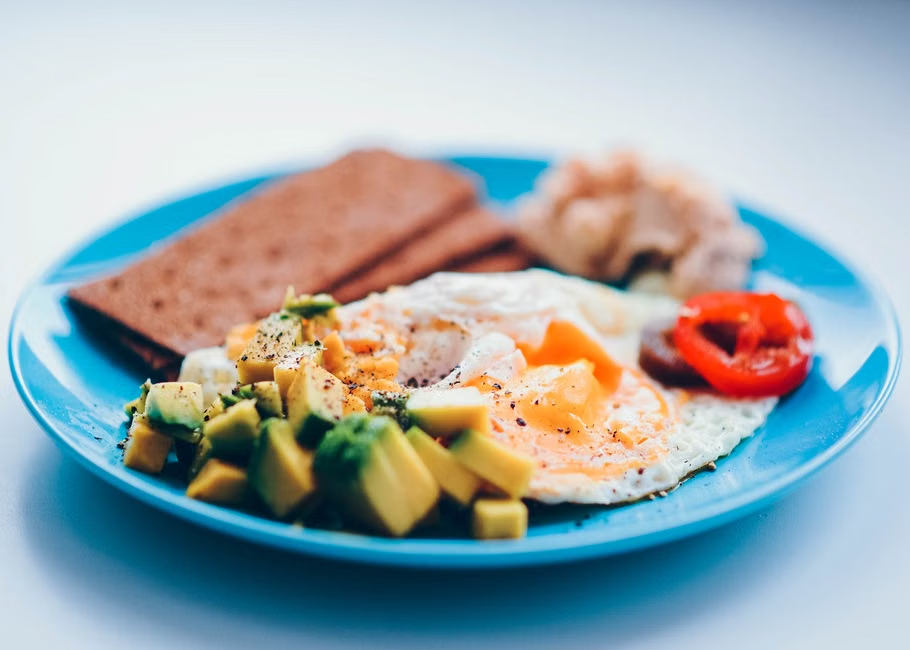
For example, a lean beef stir-fry with bell peppers and broccoli offers both heme iron and Vitamin C. If you prefer plant-based meals, fortify your morning with iron-fortified oatmeal served with strawberries or a glass of orange juice. Even a simple bean chili gains a major boost when served with a tomato-based salsa. In our practice with families, we’ve seen how integrating diverse protein sources, both animal and plant-based, supports overall nutrition, as we detail in our post on Protein Quality: Comparing Plant and Animal Sources for Complete Nutrition.
Top Iron-Rich Foods (Including Vegetarian Options)
Incorporating a variety of these foods into your diet, with a focus on smart pairing, ensures a steady supply of this essential mineral:
- Heme Iron Sources:
- Red Meat: Beef, lamb, and venison are excellent sources.
- Poultry: Dark meat chicken and turkey contain more iron than white meat.
- Fish: Tuna, salmon, oysters, and shrimp offer good amounts of heme iron.
- Organ Meats: Liver is particularly rich in iron.
- Non-Heme Iron Sources:
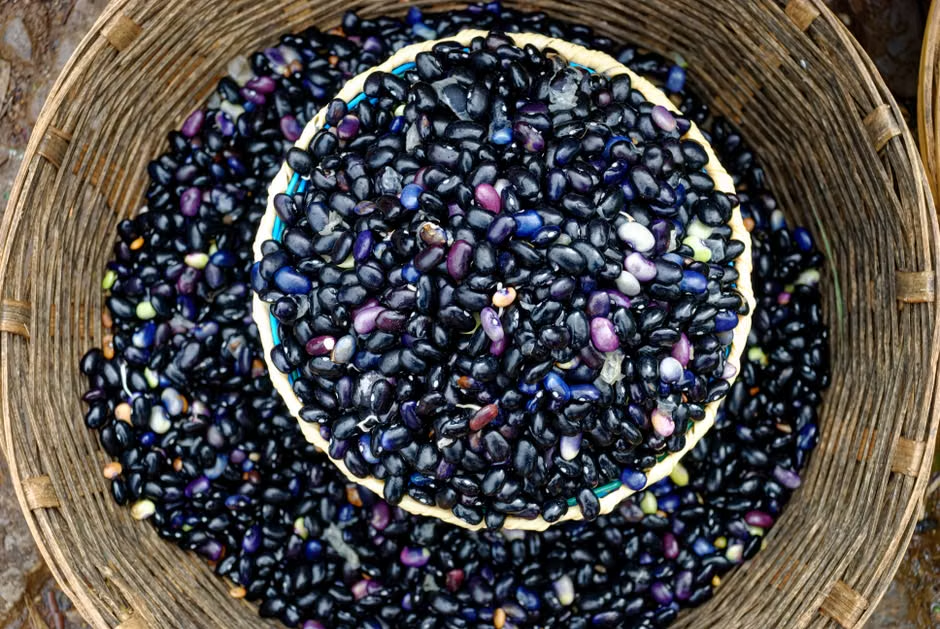
- Legumes: Lentils, beans (kidney, black, chickpeas), and peas.
- Spinach and Kale: Dark leafy greens are nutritional powerhouses.
- Tofu and Tempeh: Soy products are versatile plant-based options.
- Seeds: Pumpkin seeds, sesame seeds (tahini), and flaxseeds.
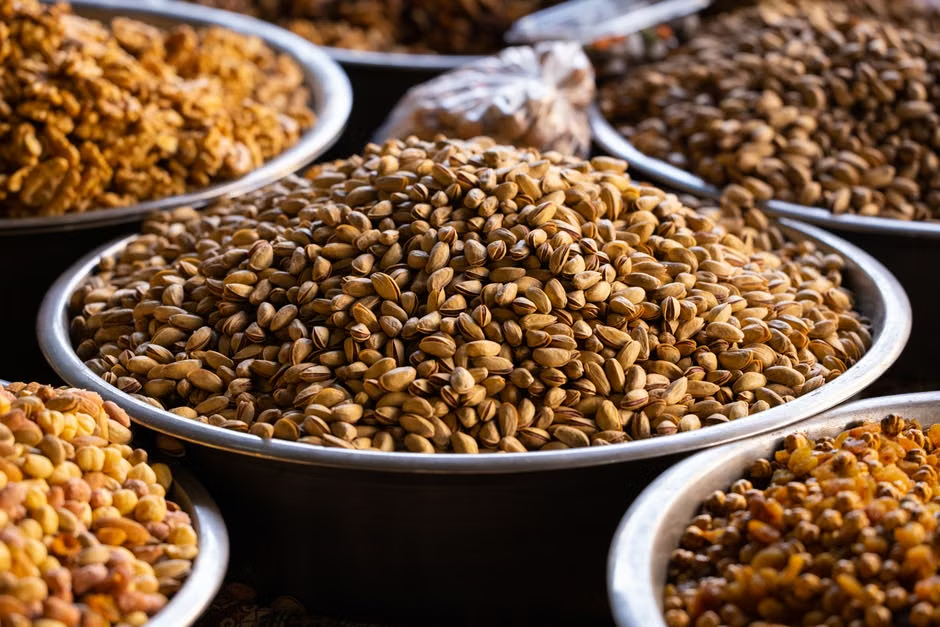
- Nuts: Cashews, almonds.
- Whole Grains: Oats, quinoa, and brown rice, though their absorption is influenced by phytates.
- Fortified Cereals: Many breakfast cereals are enriched with iron.
How to Maximize Non-Heme Iron Uptake
Beyond Vitamin C, other factors play a role in how well your body absorbs non-heme iron. Some compounds can inhibit absorption, while others can subtly enhance it. Understanding these interactions lets you optimize your meals even further.
Certain substances can act as iron inhibitors. These include phytates found in whole grains and legumes, oxalates in certain leafy greens (like spinach and chard), tannins in tea and coffee, and calcium in dairy products. The key isn’t to avoid these foods entirely, as many are incredibly nutritious. Instead, consider timing their consumption. For instance, drink coffee or tea an hour or two before or after an iron-rich meal, rather than with it. Soaking and sprouting grains and legumes can also help reduce phytate content, improving mineral availability, a technique we often demonstrate in our hands-on food literacy programs. Harvard T.H. Chan School of Public Health notes these factors significantly influence non-heme iron bioavailability.
Anemia foods to avoid (or strategically time)
When you’re actively working to increase your iron intake and absorption, it’s wise to be mindful of certain foods and drinks that can hinder the process. While these items aren’t inherently “bad,” their timing relative to iron-rich meals is important. Foods high in calcium, phytates, oxalates, and tannins can inhibit iron absorption, especially when consumed simultaneously with iron-rich meals.
Specifically, try to limit or separate the consumption of dairy products, coffee, and black tea when eating iron-rich foods. If you enjoy a glass of milk or a cup of coffee with breakfast, consider having your iron-fortified cereal a bit earlier or later. Many whole grains contain phytates, which bind to iron. However, soaking, sprouting, and fermenting methods, which we teach in our programs, can significantly reduce phytate levels, making the iron more available. As Santiago Ybarra, our nutrition educator, often advises, “Begin with the little; make your kitchen a health castle. Small changes in how you prepare and combine foods can lead to significant gains in nutrient absorption.” For more on the benefits of these foods, particularly their fibrous content, explore our guide on Fiber in Whole Grains: How Much You Need and Why It Matters.
Practical Tips for Optimal Iron Intake
Building kitchen confidence and practical meal skills can help you effortlessly incorporate these iron-boosting strategies into your daily routine. Here are some actionable steps:
- Pair Vitamin C with Plant-Based Iron: Always include a source of Vitamin C when eating non-heme iron foods. Think citrus dressing on a spinach salad, bell peppers in a bean chili, or strawberries with fortified cereal.
- Cook in Cast Iron: Cooking in cast iron pots and pans can transfer small amounts of iron into your food, particularly acidic foods like tomato sauce. It’s a simple, passive way to boost intake.
- Time Your Inhibitors: Enjoy your coffee, tea, and calcium-rich dairy products between meals, rather than with your main iron source.
- Soak and Sprout: For legumes and whole grains, soaking and sprouting can reduce phytate levels, improving mineral absorption. These are skills we often practice in our hands-on sessions.
- Prioritize Diverse Whole Foods: Aim for a varied diet rich in whole foods, which naturally provide a wide array of nutrients and support overall health.
- Consult a Professional: If you suspect an iron deficiency or are on medication (like GLP-1 agonists, which can affect nutrient absorption in some cases), consult a doctor or registered dietitian for personalized advice.
When to Consider Alternatives or Seek Professional Help
While dietary changes are powerful, they aren’t always a complete solution for severe iron deficiency. Certain health conditions, like heavy menstrual bleeding, celiac disease, or inflammatory bowel disease, can significantly impair iron absorption or lead to chronic blood loss, requiring medical intervention. If you’ve been diagnosed with anemia or have persistent symptoms of fatigue, dizziness, or shortness of breath, it’s crucial to work with a healthcare provider.
Your doctor can conduct tests to determine the severity and cause of any iron deficiency. They might recommend iron supplements, which offer a concentrated dose, but these should always be taken under medical guidance due to potential side effects and the risk of iron overload. Dietary strategies complement, but do not always replace, clinical treatments. Our focus remains on empowering you with the knowledge and confidence to make healthier food choices that support lifelong well-being, whether alongside medical advice or as a primary prevention strategy.
What to Expect from Dietary Changes for Iron Levels
Improving your iron levels through diet is a journey, not a quick fix. You won’t feel a dramatic difference overnight. Consistent application of iron-boosting food pairings and strategic meal planning typically yields noticeable improvements in energy and overall well-being over several weeks to a few months. Regular blood tests, monitored by your doctor, are the most accurate way to track your progress.
What you can expect is a gradual increase in your daily vitality, improved concentration, and a stronger immune system. You’ll likely feel less fatigued and more capable of engaging in daily activities. This steady, sustainable progress is what we strive for in our educational programs, focusing on building lasting healthy eating habits rather than chasing instant results.