

Do you ever feel overwhelmed by conflicting information about healthy fats? You’re not alone. Many families struggle to understand which nutrients truly matter and how to get enough of them through everyday cooking. One group of essential fats, omega-3 fatty acids, often comes up in discussions about brain health, heart health, and overall well-being. But what exactly are they, and how do you ensure your family gets what they need?
It’s easy to get caught up in the supplement aisle, wondering if fish oil capsules are the only answer. The good news is, you can integrate these powerful nutrients into your regular meals, often more deliciously and affordably than you might think. At Healthy Living Inc., we believe in empowering families with practical food literacy and hands-on cooking skills. We show you how to build confidence in the kitchen and make informed choices about what you eat.
Learning to identify and prepare foods rich in omega-3s is a skill that pays dividends for a lifetime. We focus on achievable steps and real-world results. If you’re curious about maximizing the nutritional value of your meals, explore our guide on Plant-Based Eating Basics: How to Get All Essential Nutrients, which complements this discussion on healthy fats.
What Are Omega-3 Fatty Acids, and Why Do They Matter?
Omega-3 fatty acids are a group of polyunsaturated fats essential for human health, meaning our bodies can’t produce them. We must get them from our diet. The three main types are alpha-linolenic acid (ALA), eicosapentaenoic acid (EPA), and docosahexaenoic acid (DHA). ALA is primarily found in plant sources, while EPA and DHA are abundant in fatty fish.
These fats play critical roles in various bodily functions, from building healthy cells to supporting hormone production. The National Institutes of Health (NIH) emphasizes that omega-3s are vital components of cell membranes and have anti-inflammatory properties that can influence many chronic diseases (NIH, Office of Dietary Supplements). Understanding these foundations helps you make deliberate food choices.
Which Omega-3 is Best for Lowering Triglycerides?
For lowering elevated triglycerides, the omega-3 fatty acids EPA (eicosapentaenoic acid) and DHA (docosahexaenoic acid) are most effective. These are primarily found in fatty fish and fish oil supplements. Consistently incorporating these into your diet can significantly contribute to better heart health.
Triglycerides are a type of fat in your blood. High levels can increase your risk of heart disease and stroke. While dietary changes, like reducing sugar and refined carbohydrates, are crucial, EPA and DHA offer additional support. In our hands-on programs, we teach families how to prepare fish in ways that are both delicious and retain maximum nutrient value, rather than relying solely on supplements.
Do Omega-3 Fatty Acids Help Blood Circulation?
Yes, omega-3 fatty acids, especially EPA and DHA, contribute to improved blood circulation by influencing blood vessel function and reducing inflammation. They help keep blood vessels flexible and less prone to plaque buildup, which supports smoother blood flow throughout the body.
Good circulation is essential for delivering oxygen and nutrients to every cell. When you reduce inflammation, you allow your circulatory system to work more efficiently. This effect is why these fats are often highlighted for cardiovascular benefits. Santiago Ybarra, a nutrition educator who develops practical, hands-on cooking programs, regularly emphasizes how simple dietary shifts, like adding more fish to your meals, can have profound positive impacts on systemic health.
Omega-3 Fatty Acids: What to Look For
Incorporating adequate omega-3s into your diet offers a range of benefits for various body systems. It’s not just about one specific outcome; it’s about supporting overall wellness.
- Heart Health: They help reduce triglyceride levels, lower blood pressure, and decrease the risk of arrhythmias.
- Brain Function: Essential for brain development in infants and maintaining cognitive function throughout life, supporting memory and learning.
- Eye Health: DHA is a major structural component of the retina, playing a role in vision.
- Inflammation Reduction: They possess anti-inflammatory properties that can alleviate symptoms of chronic inflammatory conditions.
- Mental Well-being: Some research suggests a link between omega-3 intake and reduced risk of depression and anxiety.
- Joint Health: Their anti-inflammatory effects can help manage pain and stiffness associated with conditions like arthritis.
“Omega-3 fatty acids are incredibly versatile, supporting everything from cardiovascular health to neurodevelopment. Prioritizing dietary sources over supplements whenever possible offers a broader spectrum of nutrients and often leads to better long-term dietary habits.”
Omega-3 Foods: Fish and Vegetarian Sources
You have plenty of choices to get your omega-3s, whether you prefer seafood or stick to plant-based meals. The key is knowing which foods are richest and how to prepare them to maximize nutrient retention.
Rich Fish Sources of EPA and DHA
For direct sources of EPA and DHA, fatty fish are your best bet. Aim for at least two servings per week.
- Salmon: Wild-caught salmon is particularly high. We often demonstrate how to roast salmon to preserve its delicate flavor and nutrients, as we discuss in our post on Vitamin Retention in Roasting: Cook Your Vegetables Without Losing Nutrients.
- Mackerel: A small, oily fish that’s also an excellent source.
- Sardines: Packed with omega-3s, and a sustainable choice.
- Herring: Similar to sardines in nutritional profile.
- Lake Trout: Especially wild-caught varieties.
- Tuna: Albacore tuna has higher levels than light tuna.
Omega-3 Foods: Vegetarian and Plant-Based Sources of ALA
For those following a plant-based diet, ALA is abundant in several common foods. While the body can convert some ALA into EPA and DHA, the conversion rate is low, so consistent intake is vital.
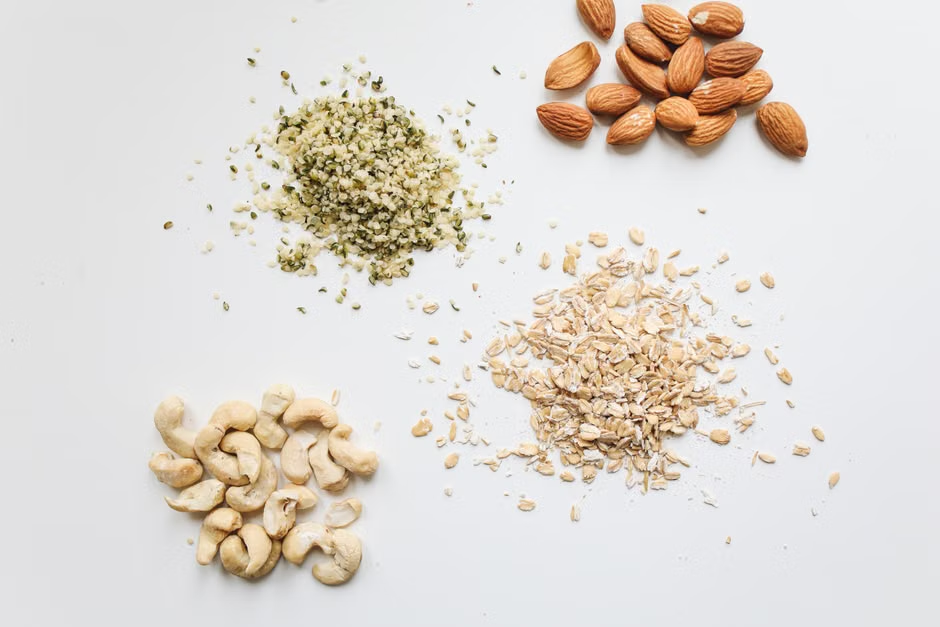
- Flaxseeds: Ground flaxseeds are best for absorption. Add them to smoothies, oatmeal, or baked goods.
- Chia Seeds: A versatile seed that can be used in puddings, as an egg substitute, or sprinkled on salads.
- Walnuts: A great snack or addition to salads and cereals.
- Hemp Seeds: Offer a good balance of omega-3 and omega-6 fatty acids, often used in plant-based protein powders.
- Soybeans (Edamame): Enjoyed steamed or roasted, they’re a good source of ALA and plant protein. For more on this, see our article on Protein Quality: Comparing Plant and Animal Sources for Complete Nutrition.
- Certain Plant Oils: Flaxseed oil, canola oil, and soybean oil contain ALA. Use flaxseed oil in dressings, not for high-heat cooking.
Understanding Omega-3 Dosage for Adults
The recommended daily intake of omega-3s can vary based on age, health status, and specific health goals. For most healthy adults, general guidelines suggest around 250-500 mg of combined EPA and DHA per day. This amount can typically be achieved through two servings of fatty fish per week.
However, individuals with certain health conditions, like high triglycerides, might require higher doses, often under medical supervision. The American Heart Association (AHA) recommends 1 gram of EPA+DHA per day for people with documented coronary heart disease (American Heart Association). Always consult with a healthcare provider before starting any new supplement regimen, especially if you have existing health concerns or are taking medications.
When to Consider Omega-3 Fatty Acid Supplements
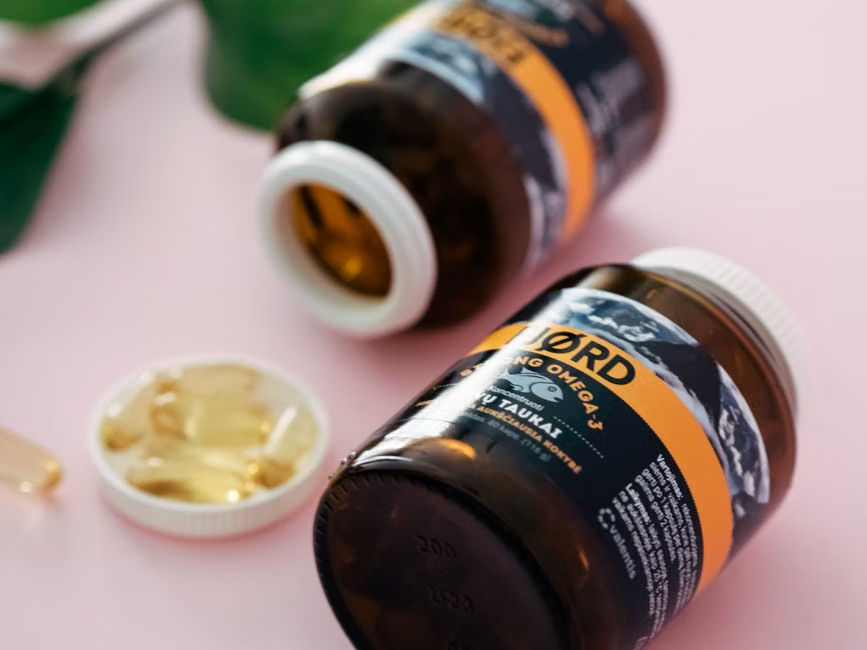
While food sources are always our first recommendation for obtaining nutrients, there are times when omega-3 supplements, like fish oil, might be beneficial. This isn’t a one-size-fits-all answer, and it’s essential to consider your individual needs and dietary patterns.
Supplements can be suitable for:
- Limited Fish Intake: If you don’t regularly eat fatty fish (due to preference, allergies, or availability), a supplement can help bridge the nutritional gap.
- Specific Health Conditions: Individuals with very high triglycerides, certain inflammatory conditions, or those recovering from cardiovascular events might be advised higher therapeutic doses by a doctor.
- Vegetarian/Vegan Diets: While plant-based foods offer ALA, converting it to EPA and DHA is inefficient. Algal oil supplements, derived from algae, provide direct EPA and DHA for those avoiding animal products.
It’s crucial to choose high-quality supplements that are tested for purity and potency. Look for products that are third-party certified to ensure they are free from heavy metals and other contaminants. Always discuss supplement use with a qualified health professional.
Practical Tips for Including Omega-3s in Your Weekly Meals
Making omega-3 rich foods a regular part of your diet doesn’t have to be complicated. Here are some simple, hands-on strategies we share in our programs:
- Embrace “Fish Friday” (or any day!): Schedule at least one, ideally two, meals with fatty fish like salmon or mackerel each week. Simple baking or grilling can make this an easy weeknight meal.
- Snack Smart: Keep walnuts or pumpkin seeds on hand for healthy snacking. They’re excellent in trail mixes or sprinkled over yogurt.
- Boost Your Breakfast: Add ground flaxseeds or chia seeds to oatmeal, smoothies, or whole-grain pancakes.
- Rethink Salads: Incorporate canned sardines or salmon into salads, or top them with flaxseed oil-based dressings and a handful of walnuts.
- Experiment with Plant-Based Meals: Include dishes featuring edamame, tofu, or lentils, which offer ALA alongside other beneficial nutrients. Explore recipes that make cooking low-sodium meals flavorful and exciting.
- Cook with Nutrient-Dense Oils: Use canola oil for cooking and flaxseed oil for salad dressings or drizzling over cooked vegetables, but avoid heating flaxseed oil to maintain its integrity.
Integrating omega-3 fatty acids into your family’s diet is a direct path to supporting their health and building lasting healthy eating habits. By understanding both fish and plant sources, and mastering simple cooking techniques, you empower yourselves to make nutritious choices that contribute to better heart, brain, and overall wellness. We’re here to partner with community organizations, youth programs, and families to make these skills accessible and enjoyable, transforming kitchens into centers of health and confidence.