
Do you ever feel a sudden energy crash after a meal, leaving you sluggish and unfocused? Or perhaps you’re looking for practical ways to manage your blood sugar levels and maintain steady energy throughout the day.
Understanding how different foods affect your body is key to unlocking consistent vitality. It’s not just about what you eat, but how those foods interact with your system to deliver energy. Making informed choices can lead to better mood, sustained focus, and overall well-being.
At HealthyLivingInc., we empower individuals and communities with the food literacy and cooking skills needed to make healthier choices for life. We know how confusing nutrition information can be, and we’re here to simplify it, helping you build kitchen confidence and lasting healthy eating habits. Let’s explore the Glycemic Index and how it can be a practical tool in your kitchen, especially when considering the importance of fiber in whole grains for stable blood sugar.
What Is the Glycemic Index?
The Glycemic Index (GI) is a system that ranks carbohydrate-containing foods by how quickly they raise blood sugar levels after you eat them. Foods are scored on a scale from 0 to 100, with pure glucose serving as the reference point at 100. High GI foods cause a rapid spike in blood sugar, while low GI foods lead to a slower, more gradual rise.
Think of it as the speed at which sugar from food enters your bloodstream. Foods with a high GI are digested and absorbed quickly, leading to a fast glucose surge. Conversely, low GI foods break down slowly, releasing glucose gradually into your bloodstream. The University of Sydney provides extensive data on GI values for a wide range of foods, clarifying their impact on blood glucose responses, which can be a valuable resource for making dietary choices (The University of Sydney).
“Choosing lower-glycemic foods can help manage blood glucose levels, reduce the risk of type 2 diabetes, and improve cholesterol levels. It’s a strategy that focuses on the quality of carbohydrates, not just the quantity.”
How Does the Glycemic Index Work in Your Body?
When you eat carbohydrate-rich foods, your digestive system breaks them down into glucose. This glucose then enters your bloodstream. Your pancreas releases insulin, a hormone that helps glucose move from your blood into your cells for energy. With high GI foods, this process happens rapidly, requiring a quick insulin response. Low GI foods, however, allow for a more measured release of glucose, demanding a more steady and less demanding insulin response from your body.
This steady release prevents the dramatic highs and lows in blood sugar that can leave you feeling tired or hungry soon after eating. In our hands-on cooking programs, we often demonstrate how combining different food components affects the overall GI of a meal. For instance, pairing a high GI carbohydrate with protein or healthy fats slows down digestion and glucose absorption, creating a more balanced blood sugar response. This practical application of nutrition science is something Santiago Ybarra, a nutrition educator, emphasizes in developing programs for youth and families, helping them build lasting healthy eating habits.

What Foods Lower Your A1c?
While no single food acts as a “miracle cure,” consistently choosing foods with a low glycemic index and a high fiber content can significantly contribute to lowering your A1c levels over time. Focus on whole, unprocessed foods that support steady blood sugar control.
Lowering A1c isn’t about one food; it’s about a pattern of eating that includes plenty of fiber, lean protein, and healthy fats. These components work together to slow digestion and prevent blood sugar spikes. Our programs at HealthyLivingInc. focus on building these meal planning skills, teaching participants how to incorporate nutrient-dense ingredients into everyday cooking. We’ve seen firsthand how adopting these practices, such as increasing vegetable consumption three times and reducing sodium by 70 percent, leads to measurable improvements in health markers for individuals and families.
Key Foods to Incorporate for A1c Management:
- High-fiber vegetables: Broccoli, spinach, kale, bell peppers, asparagus. These are low in calories but rich in nutrients and fiber, which slows sugar absorption.
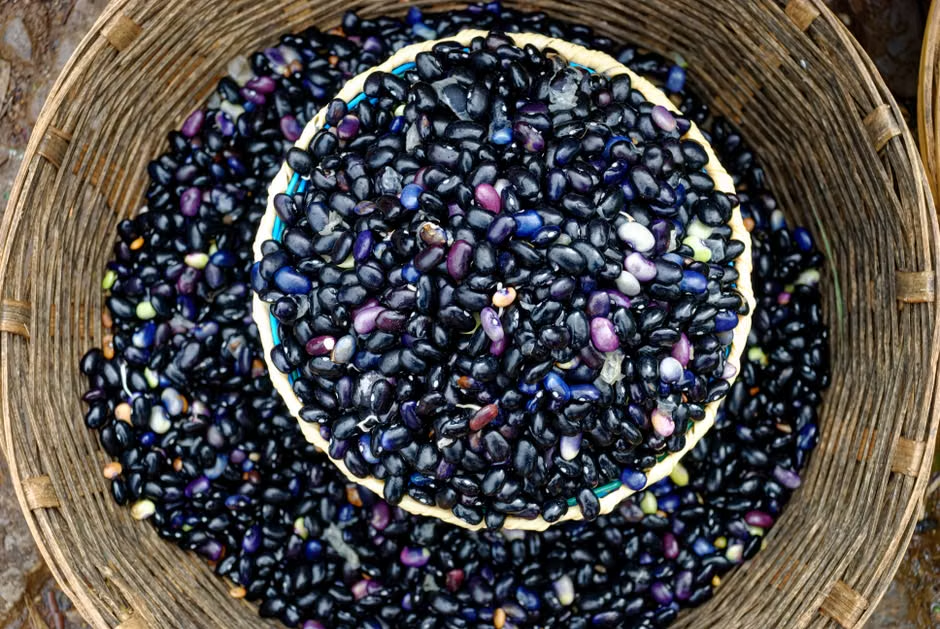
- Legumes: Lentils, black beans, chickpeas, kidney beans. They’re packed with fiber and protein, making them excellent for blood sugar management.
- Whole grains: Oats, barley, quinoa, brown rice. Unlike refined grains, their fiber content helps stabilize glucose levels.
- Lean proteins: Chicken breast, fish, tofu, eggs. Protein has minimal impact on blood sugar and helps you feel full.
- Healthy fats: Avocados, nuts, seeds, olive oil. Fats don’t raise blood sugar and can slow the absorption of carbohydrates eaten with them.
- Fruits (in moderation): Berries, apples, pears. Choose fruits with the skin on for maximum fiber.
We delve into these options and how to prepare them deliciously in our plant-based eating basics workshops, ensuring you get all essential nutrients while making heart-healthy choices.
What is the #1 worst food for your blood sugar?
Pinpointing one “worst” food is challenging, as dietary impact depends on the overall meal. However, highly processed foods high in refined sugars and low in fiber, like sugary sodas, white bread, and many candies, generally cause the most rapid and significant blood sugar spikes.
These foods are quickly broken down into glucose, flooding your bloodstream and demanding a high insulin response. While delicious in moderation, their regular consumption can strain your body’s ability to manage blood sugar effectively. It’s about recognizing that empty calories provide little nutritional value and can contribute to energy crashes and long-term health concerns. For example, a sugary beverage offers no protein quality or beneficial fiber to buffer its glucose impact.
List of Low Glycemic Index Foods
Prioritizing low GI foods is a practical strategy for maintaining stable blood sugar and sustained energy. These foods typically contain more fiber, protein, or healthy fats, which naturally slow digestion and glucose release. Building meals around these options can transform your energy levels and overall health.
In our experience delivering hands-on cooking programs to diverse audiences, we’ve found that teaching individuals how to identify and prepare low GI meals builds incredible kitchen confidence. It helps them move away from highly processed options towards delicious, home-cooked food that truly nourishes. Practical skills like preparing legumes, cooking whole grains, and roasting vegetables to retain 90% vitamin retention are crucial.
Examples of Low Glycemic Index Foods (GI < 55):
- Most Non-Starchy Vegetables: Broccoli, spinach, carrots, green beans, bell peppers, tomatoes.
- Legumes: Lentils, chickpeas, black beans, kidney beans.
- Fruits: Apples, pears, berries, oranges, peaches, plums (whole, not juice).
- Whole Grains: Rolled oats, barley, quinoa, brown rice (cooked al dente).
- Nuts and Seeds: Almonds, walnuts, chia seeds, flaxseeds.
- Dairy Products: Milk, plain yogurt (unsweetened).
- Lean Proteins: Fish, chicken, turkey, tofu.
“The Glycemic Index isn’t just for individuals managing diabetes; it’s a valuable tool for anyone looking to optimize energy levels, improve satiety, and support long-term metabolic health.”
Incorporating these foods into your diet is a powerful step. Remember that preparation matters too; boiling potatoes might give a higher GI than roasting them. And if you’re looking to maximize essential nutrients like iron, understanding iron absorption is just as important as knowing the GI of your foods.
Choosing Foods Beyond Just the Glycemic Index
While the Glycemic Index is a helpful tool, it’s not the only factor in healthy eating. A food’s GI value can change depending on ripeness, cooking method, and what other foods it’s eaten with. For example, potatoes have a high GI, but if you eat them with plenty of fiber-rich vegetables, protein, and healthy fats, the overall impact on your blood sugar will be slower and more controlled. What’s more, nutrient density is critical.
Consider the glycemic load (GL), which accounts for both the GI and the amount of carbohydrates in a serving. A food might have a high GI but a low GL if you eat only a small portion. Conversely, a large portion of a moderately high GI food could result in a high GL. It’s also crucial to remember individual variations in blood sugar response; what works for one person might be slightly different for another.
This nuanced approach is central to our philosophy at HealthyLivingInc. We don’t just teach strict rules; we empower people to understand the principles behind healthy eating so they can adapt them to their own lives, preferences, and budgets. We focus on building practical meal skills for long-term habits, not just short-term fixes, which is also important when considering managing sodium and potassium for overall heart health.
Practical Tips for Incorporating Low GI Eating into Your Kitchen
- Start Your Day Right: Opt for whole oats with berries and nuts instead of sugary cereals or white toast. This provides a steady release of energy that lasts through your morning.
- Prioritize Fiber: Naturally occurring fiber in fruits, vegetables, and whole grains is your best friend for blood sugar stability. Always choose whole fruits over juice.
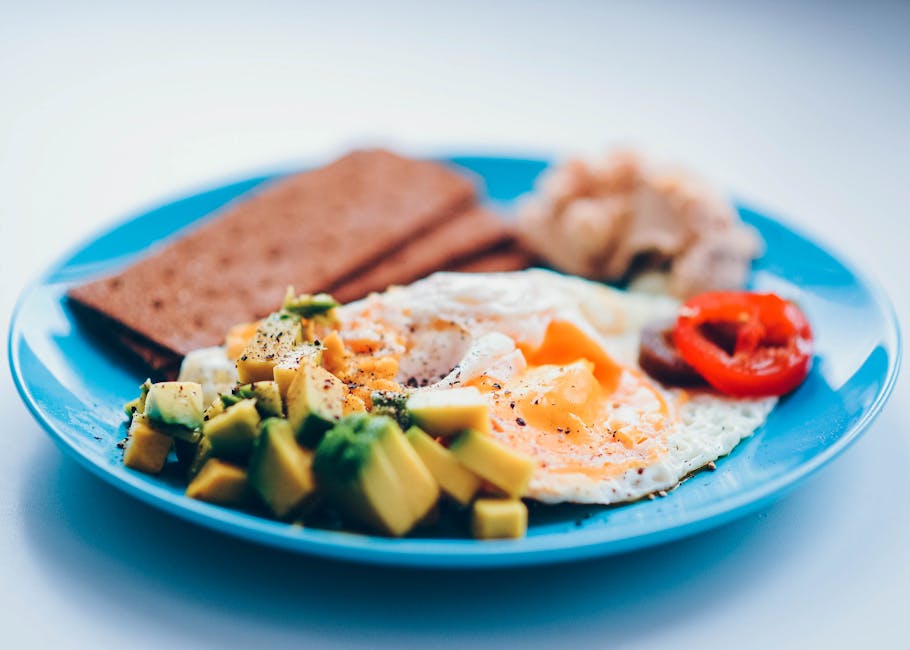
- Combine Food Groups: Pair carbohydrates with protein and healthy fats. Add avocado to your sandwich, or have a handful of almonds with an apple. This slows digestion and keeps blood sugar steady.
- Cook More at Home: This gives you control over ingredients and preparation methods. Our hands-on sessions teach essential cooking techniques like knife skills and efficient meal prep, which make healthy eating more accessible.
- Hydrate with Water: Sugary drinks are major culprits for blood sugar spikes. Choose water, unsweetened tea, or sparkling water with a squeeze of lemon.
- Plan Your Meals: Taking a few minutes to plan your week’s meals can significantly reduce reliance on quick, often high-GI, convenience foods.
Adopting a low GI approach doesn’t mean sacrificing flavor or enjoyment. It means making smarter choices that nourish your body and provide sustained energy. By focusing on whole, unprocessed foods and developing foundational cooking skills, you can take control of your health. HealthyLivingInc. is here to partner with community organizations, families, and individuals to build these essential skills, empowering everyone to gain the knowledge and confidence to make healthier food choices that will last a lifetime.