
Ever wonder if your healthy efforts in the kitchen are actually paying off? You chop fresh vegetables, season them perfectly, and slide them into a hot oven, confident you’re creating a nutritious meal. But a nagging question lingers: am I cooking out all the goodness? It’s a common concern for many home cooks, especially when trying to provide the best for their families.
You’re right to think about how cooking methods impact the vitamins and minerals in your food. Certain nutrients are delicate, and excessive heat or water can diminish their presence. But don’t despair! With a few simple, practical techniques, you can enjoy delicious, nutrient-rich roasted vegetables without sacrificing their health benefits. At Healthy Living Inc., we teach exactly these kinds of hands-on skills, empowering individuals and communities to make informed food choices and build kitchen confidence. We believe that understanding the basics, like how to ensure plant-based eating provides all essential nutrients, is key to lifelong health.
Foundation: Understanding Nutrient Loss During Cooking
Nutrient retention refers to how much of a food’s original vitamin and mineral content remains after preparation. When we cook, several factors can cause nutrients to degrade or leach out. Heat can break down sensitive vitamins, like Vitamin C and some B vitamins, while water-soluble nutrients can dissolve into cooking liquids and be lost if those liquids are discarded. Oxidation, exposure to air, also plays a role. Understanding these mechanisms helps us choose cooking methods that protect nutritional value.
Santiago Ybarra, a nutrition educator who develops practical, hands-on cooking programs for communities, emphasizes the importance of mindful preparation. “Cooking should enhance nutrition, not diminish it,” he states. “Our goal is to give people the skills to maximize the health benefits of their food, making every meal count.”
Do veggies lose nutrients when roasted?
Yes, vegetables can lose some nutrients when roasted, but often less than with other cooking methods that involve excessive water. Roasting, a dry-heat method, relies on hot air to cook food, which minimizes the leaching of water-soluble vitamins. While heat itself can degrade some heat-sensitive compounds, roasting can also make other nutrients more bioavailable, meaning your body can absorb them more easily. It’s a trade-off, but often a beneficial one when done correctly.
The caramelization that happens during roasting not only enhances flavor, making vegetables more appealing, but it can also seal in certain nutrients. The key is controlling temperature and cooking time. Over-roasting, especially at very high temperatures, can indeed lead to greater nutrient loss. However, mindful roasting can be one of the best ways to prepare vegetables, balancing nutrient preservation with excellent taste and texture. For example, some studies suggest that roasting can significantly increase antioxidants in certain vegetables. As noted by a publication from the Mayo Clinic, cooking methods like roasting, steaming, and stir-frying are generally better for nutrient retention compared to boiling.
Does cooking destroy vitamin C?
Yes, cooking can significantly destroy Vitamin C. Vitamin C, also known as ascorbic acid, is notoriously fragile. It’s water-soluble and highly sensitive to heat and oxygen, meaning it can easily leach into cooking water and degrade under high temperatures. For this reason, steaming or quick stir-frying is often preferred over boiling for foods rich in Vitamin C, or enjoying them raw where possible.
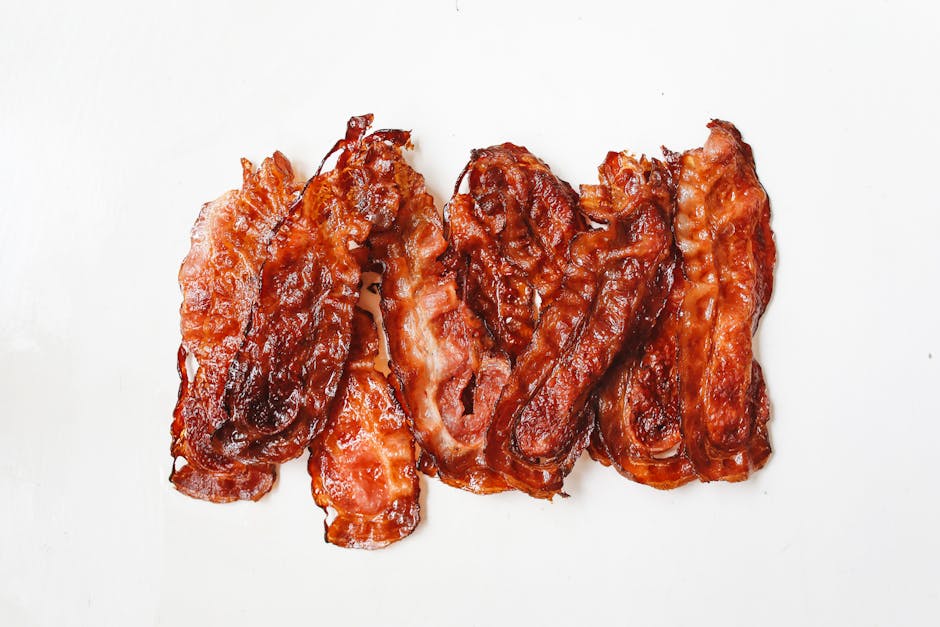
Other heat-sensitive nutrients include some B vitamins, such as folate. When we cook, especially with methods that submerge food in water for extended periods, these nutrients can escape into the water and be discarded. This is why our hands-on programs often demonstrate techniques that minimize water exposure and cooking time. We teach skills that help preserve nutrients and enhance the overall healthfulness of your meals, even when learning how to cook bacon in the oven with a hands-off approach, where the dry heat can prevent water-soluble nutrient loss, though vegetables are our main focus for nutrient density.
“While cooking generally improves the digestibility and safety of food, it’s crucial to understand that certain nutrients, particularly water-soluble vitamins like C and B vitamins, are quite vulnerable to heat and water exposure. The goal isn’t to avoid cooking, but to cook smarter.”
How to cook vegetables without losing nutrients?
To cook vegetables while preserving as many nutrients as possible, employ quick cooking methods that use minimal water, such as steaming, stir-frying, and mindful roasting. Focus on proper temperature control and timing to avoid overcooking. Eating vegetables raw when appropriate is also a great option.
In our cooking programs, we emphasize a few core principles for maximum nutrient retention. These methods not only keep more vitamins and minerals in your food but also often result in better flavor and texture. We aim for vibrant, crisp-tender vegetables, not limp, colorless ones.
Practical Tips for Maximum Nutrient Retention
- Choose Quick Cooking Methods: Steaming, quick stir-frying, and light sautéing are excellent choices. They expose vegetables to heat for shorter durations and often use less water than boiling.
- Limit Water Exposure: If you must boil, use minimal water and steam vegetables above the water rather than immersing them. This drastically reduces the leaching of water-soluble vitamins.
- Maintain Proper Temperatures: Cook at the lowest effective temperature for the shortest possible time. High heat for extended periods degrades more nutrients.
- Cut Vegetables Uniformly: Evenly sized pieces cook at the same rate, preventing smaller pieces from overcooking while larger ones finish. This ensures consistent nutrient preservation.
- Consume Promptly: Nutrients can degrade over time, even after cooking, due to oxidation. Eat freshly cooked vegetables soon after preparation for optimal benefit.
- Utilize Cooking Liquids: If you do boil or steam, save the nutrient-rich cooking liquid for soups, sauces, or broths instead of discarding it. This way, any leached vitamins are still consumed.
What are high-fiber vegetables to include in your meals?
High-fiber vegetables are essential for digestive health and overall well-being. They include a wide range of options like leafy greens, cruciferous vegetables such as broccoli and Brussels sprouts, and root vegetables. Incorporating these into your diet helps maintain regular bowel movements, stabilize blood sugar, and contribute to satiety, helping you feel fuller longer.
Fiber is a cornerstone of a healthy diet, and vegetables are a fantastic source. Including a diverse range of fiber-rich options can dramatically improve your digestive system and help manage blood sugar levels. In our hands-on programs for youth and families, we’ve seen how introducing appealing, fiber-rich vegetables can significantly increase consumption and satisfaction. We often pair these with simple cooking techniques to make them delicious and accessible.
Here are some excellent high-fiber vegetables to consider:
- Broccoli: A cruciferous powerhouse, great steamed or roasted.
- Brussels Sprouts: Roasting brings out their natural sweetness and fiber content.
- Artichokes: High in a unique type of fiber, often steamed.
- Green Peas: Surprisingly high in fiber, often added to stir-fries or salads.
- Spinach: A versatile leafy green, excellent sautéed or added to dishes.
- Carrots: Both raw and cooked, providing soluble and insoluble fiber.
- Sweet Potatoes: A starchy but fiber-rich root vegetable, perfect for roasting.
- Legumes (e.g., lentils, black beans): While technically not vegetables, they are often used similarly and are incredibly fiber-dense.
Understanding the importance of fiber extends beyond vegetables; it’s also crucial to learn about fiber in whole grains, how much you need, and why it matters for comprehensive dietary health.
Choosing the Right Cooking Method: Suitability and Realistic Expectations
While maximizing nutrient retention is important, it’s not the only factor in healthy eating. Palatability, consistency, and overall dietary patterns often outweigh minute differences in nutrient content from various cooking methods. A vegetable that’s cooked in a way your family enjoys and regularly eats is far better than a “perfectly” cooked one that goes uneaten.
This is where practicality meets nutrition. Sometimes, the goal is simply to get more vegetables into your diet, even if it means a slight compromise on vitamin C. Our programs focus on building positive relationships with food and developing lasting skills. We teach alternatives, like quick sautéing in a healthy fat, or making large batches of vegetable-rich soups where the cooking liquid (and its leached nutrients) are consumed. For families struggling with picky eaters, the method that makes the vegetable most appealing is often the best choice for long-term habits. As we detail in our guide on how to build lasting food choices in your family, consistency and positive experiences are paramount.
“Focusing on a balanced diet rich in a variety of fruits and vegetables, regardless of the cooking method, yields far greater health benefits than fixating on the precise nutrient retention of a single ingredient. The overall pattern of eating is what truly impacts health.”
Our experience shows that when cooking is fun, easy, and yields delicious results, people naturally incorporate more healthy foods. We empower communities to achieve results like reducing sodium by 70 percent and increasing vegetable consumption three times, not by obsessing over single nutrients, but by building confidence in preparing wholesome meals. Learning to adapt recipes and cooking methods to meet your family’s preferences while maintaining a healthy profile is a core skill we teach, a cornerstone of sustainable healthy eating habits. This can include adapting recipes for sodium reduction to cook low-sodium meals without sacrificing flavor, a skill vital for heart health.
Ultimately, the best way to ensure nutrient intake from vegetables is to eat a variety of them, prepared in ways you genuinely enjoy, consistently. Don’t let the fear of nutrient loss prevent you from cooking. Instead, apply these practical tips and build kitchen confidence. Healthy Living Inc. is here to partner with organizations and families, providing customized programs that turn complex nutritional information into achievable, hands-on cooking skills. We believe that by mastering simple techniques, you’ll gain the knowledge and confidence to make healthier food choices that would be lifelong.