
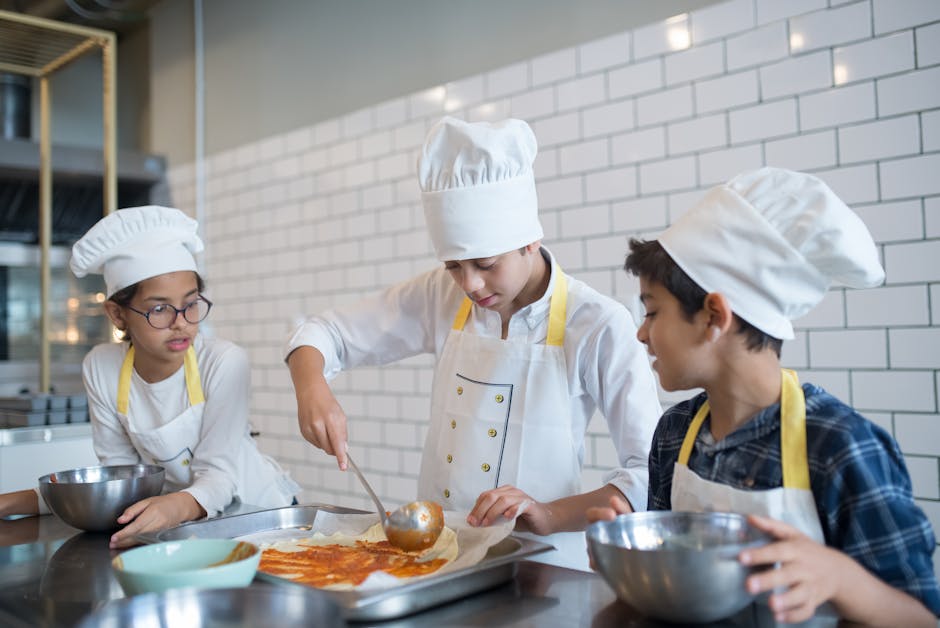
Imagine planning a hands-on cooking class, excited to share essential techniques and delicious, healthy recipes. Then the sign-up forms start rolling in: peanut allergy, gluten intolerance, dairy-free, vegetarian, low-sodium. Suddenly, your carefully crafted menu feels like a minefield. The challenge of accommodating diverse dietary needs can feel overwhelming, but it doesn’t have to derail your program. In fact, it’s an opportunity to build even stronger, more impactful culinary experiences.
Creating an environment where everyone feels safe, included, and empowered to cook is paramount. It’s about ensuring that no one is left out due to a food allergy or dietary preference. Our mission at Healthy Living Inc. is to make practical nutrition education and hands-on cooking skills accessible to all, and that means designing programs with inclusivity at their core. We believe every participant deserves to learn, grow, and gain confidence in the kitchen, whether they’re joining our youth development sessions or adult group cooking classes.
So, how do we make sure our cooking classes welcome every individual? It starts with thoughtful planning, clear communication, and a flexible approach to recipes. We’ll show you how to navigate dietary restrictions with confidence, turning potential challenges into opportunities for creative, safe, and delicious learning.
What Does It Mean to Run an Inclusive Cooking Class?
Running an inclusive cooking class means intentionally designing the curriculum and environment to safely accommodate a diverse range of dietary needs, allergies, and preferences, ensuring every participant can fully engage without feeling marginalized or at risk. It involves proactive communication, clear labeling, ingredient substitutions, and dedicated workstations when necessary.
Inclusivity extends beyond just avoiding allergens. It also means respecting cultural preferences, religious dietary laws, and personal health goals. For instance, some participants may prefer plant-based meals, while others require low-sodium options due to health conditions. Our approach focuses on adaptable recipes and fundamental techniques that equip participants to customize meals for their specific needs, long after the class ends. According to the Mayo Clinic, food allergies alone affect millions, making this a critical consideration for any food-related program.
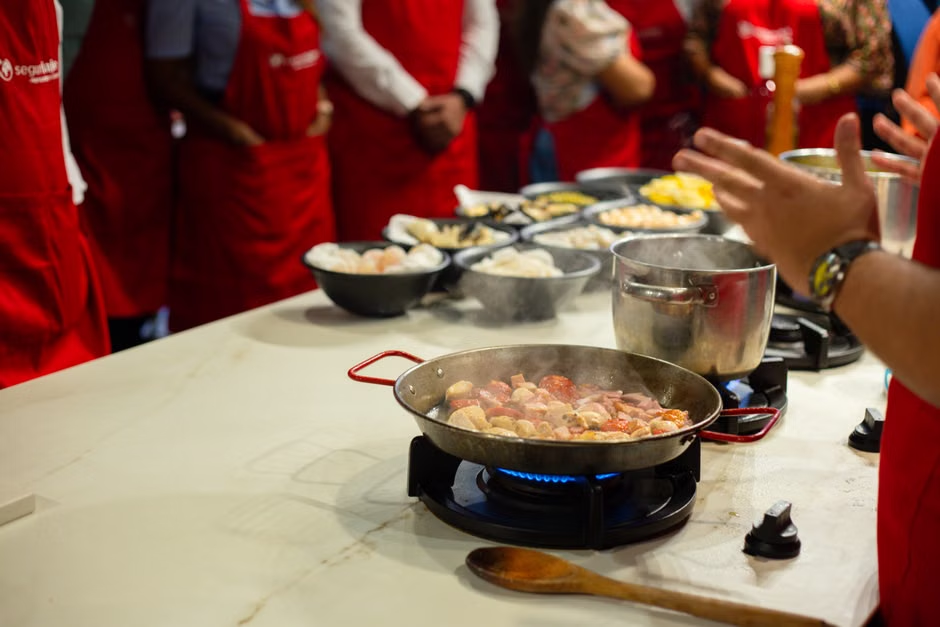
What Must Be Included While Teaching Workers How to Prepare Food for Customers with Food Allergies?
When teaching staff to prepare food for those with food allergies, crucial training points must include understanding common allergens, preventing cross-contamination, reading labels meticulously, and clear communication protocols with participants. This comprehensive approach ensures safety and builds trust.
Effective training goes beyond simply listing allergens. It teaches staff to recognize hidden ingredients and understand the severity of allergic reactions. Our hands-on programs often include dedicated segments on food safety, where we cover these critical steps. Santiago Ybarra, our nutrition educator, emphasizes, “Knowing common allergens is step one, but understanding how to create a safe zone in a shared kitchen, even a temporary one, is where true expertise shines.”
Preventing Cross-Contamination: A Step-by-Step Approach
Cross-contamination is the transfer of allergens from one food or surface to another, and it’s a major concern in any shared cooking environment. Minimizing this risk requires a diligent, multi-faceted strategy.
- Dedicated Workstations: Whenever possible, assign specific prep areas and utensils for individuals with severe allergies. This creates a physical barrier.
- Color-Coded Tools: Implement a system where different colored cutting boards, knives, and bowls are designated for allergen-free ingredients versus those containing common allergens.
- Ingredient Sequencing: Prepare allergen-free dishes first. This ensures that surfaces and equipment are clean before they come into contact with potential allergens.
- Thorough Cleaning: Emphasize rigorous cleaning and sanitization of all surfaces, equipment, and hands before and after handling different ingredients. Soap and water, followed by sanitization, is key.
- Separate Storage: Store allergen-free ingredients and finished dishes separately, clearly labeled, and often on higher shelves to prevent drips from contaminating other foods.
“Allergic reactions can range from mild to severe, including life-threatening anaphylaxis. Strict adherence to food safety protocols, especially preventing cross-contact, is essential for protecting individuals with food allergies.”
How Can a Chef Modify a Recipe to Accommodate a Customer with Special Dietary Needs?
A chef can modify a recipe by understanding the function of each ingredient and substituting allergens or restricted items with suitable alternatives that maintain flavor, texture, and nutritional balance. This often involves ingredient swaps, adjusting cooking methods, or preparing components separately to allow for individual customization.
When we design customized nutrition education programs for organizations, we always consider adaptability. Our approach to recipe modification is built on flexibility. For instance, a dairy-free participant doesn’t need to miss out on creamy sauces; we teach how to create rich textures using pureed vegetables, nuts, or plant-based milks. This focus on technique over rigid recipes builds lasting confidence.
Common Recipe Modifications and Alternatives
Our programs arm participants with the knowledge to make smart substitutions in their own kitchens. Here are some examples:
- Gluten-Free: Swap wheat flour for gluten-free all-purpose blends, almond flour, or oat flour (ensure certified GF). Use rice noodles or spiralized vegetables instead of wheat pasta.
- Dairy-Free: Replace milk with plant-based alternatives like almond, soy, or oat milk. Opt for nutritional yeast to add a cheesy flavor, or use avocado for creaminess.
- Nut-Free: Sunflower seed butter can stand in for peanut butter. When nuts are used for crunch, consider roasted chickpeas or seeds like pumpkin or sesame (check for cross-contamination warnings).
- Egg-Free: For binders, use flax “eggs” (1 tbsp ground flaxseed + 3 tbsp water), mashed banana, or applesauce.
- Vegetarian/Vegan: Replace meat with legumes (beans, lentils), tofu, tempeh, or various plant-based proteins. Ensure all other ingredients, like broths or cheeses, are also plant-based.
- Low-Sodium: Rely on herbs, spices, citrus zest, and vinegars for flavor. Our programs teach how to create flavorful meals that reduce sodium by 70 percent without sacrificing taste.
We work with diverse groups, from youth summer camps to seniors programs, demonstrating how simple adjustments can open up a world of culinary possibilities for everyone. It’s about empowering participants to take control of their plates.
Considering Nuance: When Alternatives Are Best
While we strive for maximum inclusivity, there are times when certain dietary needs might warrant a slightly different approach or even an alternative offering. For example, a severe, airborne nut allergy might mean a completely nut-free kitchen is the only safe option, which might not be feasible for every general class.
In such rare cases, we openly discuss these limitations and explore other possibilities. This could involve offering a dedicated one-on-one session, providing a pre-prepared meal, or guiding the participant to a different, more suitable outreach program. It’s about honesty and prioritizing safety above all else. Building trust means knowing when to adapt and when to recommend a more specialized solution.
“Transparency about ingredients and potential cross-contact is vital. If a food allergy cannot be safely accommodated, it’s better to communicate that clearly than to risk a severe reaction.”
Practical Tips for Creating Inclusive Cooking Experiences
Building kitchen confidence starts with simple, actionable steps. Here’s how you can make your cooking class welcoming for everyone:
- Collect Dietary Information Early: Use registration forms to gather specific allergy and dietary preference details well in advance. Follow up with participants for clarification if needed.
- Plan Adaptable Menus: Choose recipes that are naturally free of common allergens or easily modified. Think about dishes where components can be cooked separately and combined by the individual.
- Source High-Quality, Labeled Ingredients: Always use ingredients with clear labels and check for allergen warnings, especially for processed items like sauces, broths, and baking mixes.
- Train Your Team: Ensure all instructors and assistants are fully aware of participants’ dietary needs and understand cross-contamination prevention. Regular refreshers are key.
- Communicate Clearly During Class: Announce ingredients as you use them. Point out modifications and alternatives. Empower participants to ask questions and self-advocate.
- Label Everything: Clearly label prepared dishes and ingredients at each station, especially when offering alternative components.
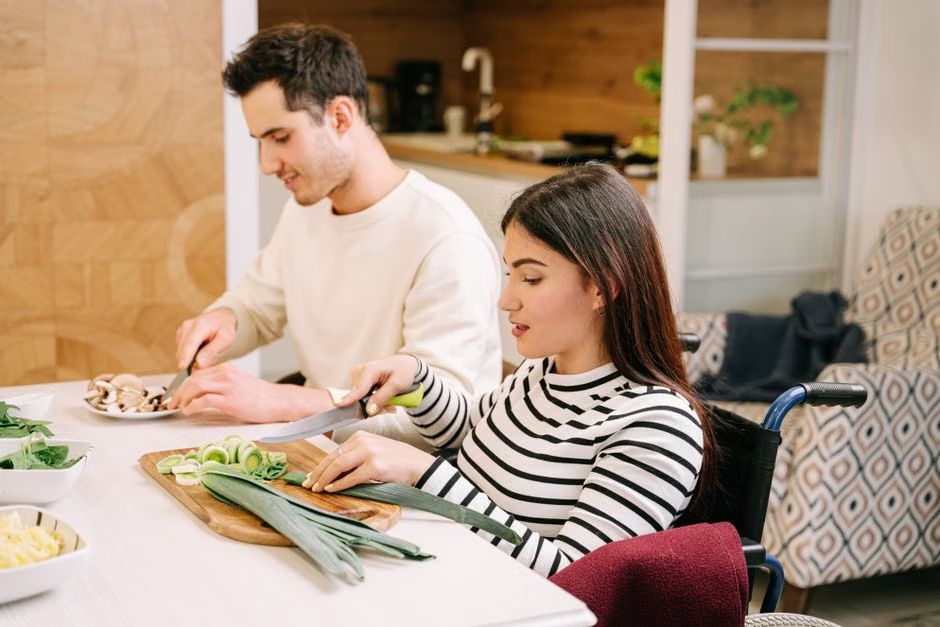
What to Expect from an Inclusive Cooking Class
When you prioritize inclusivity, you create a learning environment where every participant, regardless of their dietary needs, feels seen and valued. You’ll observe increased engagement, deeper understanding of ingredients, and a greater sense of accomplishment as individuals successfully prepare meals tailored to their own health. Expect to see participants confidently making healthier food choices that would be lifelong, taking home not just recipes, but adaptable skills. Building these skills within 30 minutes in a hands-on session is our aim, fostering a genuine love for cooking that lasts.
Creating truly inclusive cooking classes takes intentionality, but the rewards are immense. By focusing on detailed planning, rigorous cross-contamination prevention, and flexible recipe modification, you empower every participant to learn essential cooking techniques and build lasting healthy eating habits. If your organization is looking to partner with experts to deliver customized, hands-on nutrition and cooking programs that cater to diverse needs, contact Healthy Living Inc. We’re ready to collaborate and empower your community through the joy of food.