
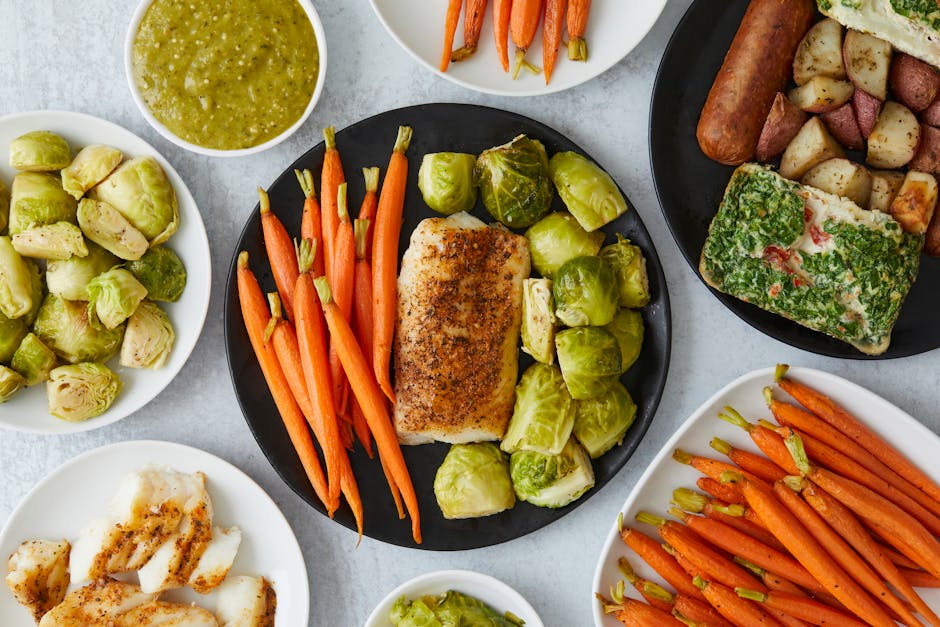
Do you ever feel like healthy eating is a never-ending cycle of last-minute decisions and takeout menus? You’re not alone. Many families struggle to put nutritious, home-cooked meals on the table consistently, often due to busy schedules and the sheer mental load of deciding “what’s for dinner?” It’s a common pain point that can lead to frustration, wasted food, and budgets stretched thin by impulsive food choices.
But imagine a different scenario: one where you know exactly what you’ll eat all week, have the ingredients ready, and spend less time stressing in the kitchen. This isn’t a fantasy. It’s the power of effective meal planning. Our approach focuses on making this skill accessible and achievable, showing you how to simplify your food routine.
At our core, we believe that practical food literacy and kitchen confidence are essential life skills. That’s why we partner with organizations to deliver customized programs designed to empower individuals and families with hands-on cooking and nutrition education, starting with foundational skills like efficient meal planning.
What is Simple Meal Planning for Beginners?
Simple meal planning for beginners involves strategically deciding what you’ll eat for the upcoming week and preparing a corresponding shopping list. It’s about taking control of your food choices, reducing stress, and often, saving both time and money. Think of it as your kitchen’s weekly blueprint.
The beauty of meal planning isn’t just in knowing what’s for dinner; it’s in streamlining your entire food process. From grocery shopping to cooking, a well-thought-out plan can cut down on impulsive purchases and reduce food waste. According to the Mayo Clinic, meal planning can even support weight management goals by helping you make healthier choices consistently.
In our hands-on cooking sessions, we’ve seen firsthand how a little bit of planning can dramatically increase participants’ confidence in the kitchen. It removes the guesswork and allows learners to focus on mastering techniques, not scrambling for ideas.
How Can I Plan a Week of Healthy Meals in 30 Minutes?
Planning a week of healthy meals in just 30 minutes seems ambitious, but it’s entirely possible with a structured approach. The key is to simplify your decisions and leverage repeatable patterns. We recommend focusing on flexibility and efficient ingredient usage.
Start by choosing themes for your nights, like “Meatless Monday” or “Taco Tuesday.” This simple trick immediately narrows your options. Then, identify 2-3 proteins and 3-4 vegetables you enjoy and can mix and match. Think about meals that share ingredients, like using leftover roasted chicken in a salad the next day. This strategy not only saves time but also cuts down on your grocery bill.
“Efficient meal planning isn’t about rigid adherence; it’s about creating a flexible framework. By focusing on simple, adaptable recipes and smart ingredient usage, families can significantly reduce cooking stress and improve nutritional intake without feeling overwhelmed.”
Here’s a quick framework to plan your week:
- **Review Your Calendar:** Note busy nights when quick meals or leftovers are essential.
- **Check Your Pantry:** See what ingredients you already have to build meals around.
- **Choose 5-7 Meal Ideas:** Pick simple recipes, aiming for variety in protein and vegetables. Don’t forget breakfast and lunch ideas!
- **Theme Your Nights:** Assign meal types (e.g., Pasta, Stir-fry, Sheet Pan) to specific days to simplify choices.
- **List Shared Ingredients:** Identify items needed for multiple meals to buy efficiently.
- **Build Your Grocery List:** Only add what you don’t have. Organize it by store section.
- **Allocate Prep Time:** Decide if you’ll chop veggies or cook grains on a specific day.
What Are Some Healthy 30-Minute Meals for Families?
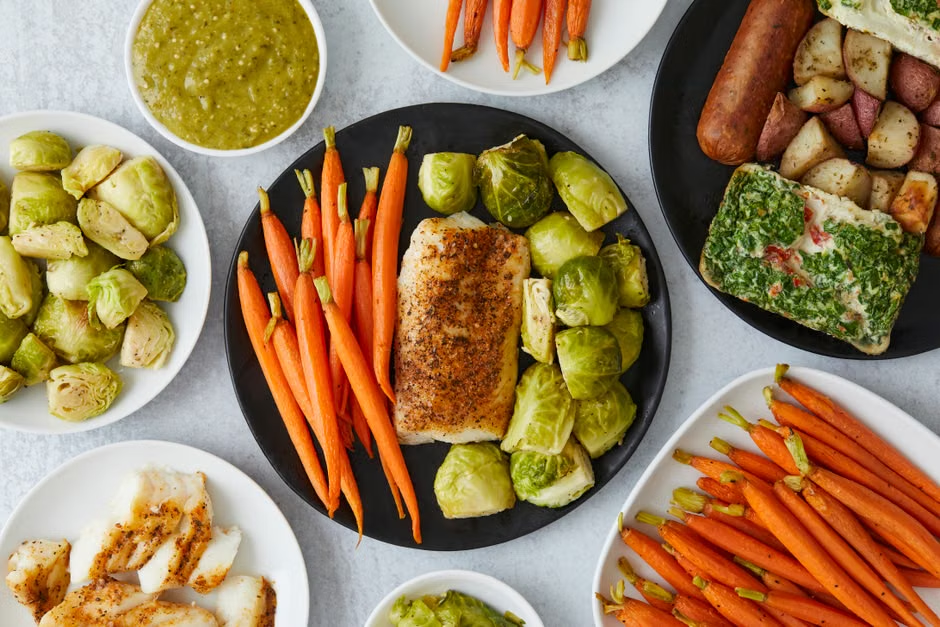
Creating healthy, quick meals for the whole family doesn’t mean sacrificing flavor or nutrition. Focus on methods that minimize active cooking time, such as sheet pan meals, one-pot pastas, and quick stir-fries. These approaches ensure you get maximum nutrition with minimal fuss.
In our experience leading hands-on cooking programs for families and youth, we’ve found that meals allowing for some customization, like a build-your-own taco bar or a pasta dish with optional veggie add-ins, tend to be big hits. This way, everyone feels invested in their meal, even the picky eaters.
Santiago Ybarra, our nutrition educator, emphasizes the importance of utilizing fresh, seasonal produce in these fast meals. “Homemade meals replace junk food with healthy meals rich in nutrients, reducing sodium by 70 percent and increasing vegetables and vegetable consumption three times,” he notes. The caramelizing is a natural way of unlocking sweetness in roasted vegetables, making them appealing to all ages.
Consider these quick, nutritious options:
- **Sheet Pan Lemon Herb Chicken & Veggies:** Toss chicken pieces, broccoli, bell peppers, and carrots with olive oil, lemon juice, and herbs. Roast at 400°F (200°C) for 20-25 minutes.
- **Quick Shrimp Scampi with Zucchini Noodles:** Sauté shrimp with garlic, white wine, and lemon, then toss with pre-made zucchini noodles or thin pasta for a light, flavorful dish.
- **Black Bean Burgers on Whole Wheat Buns:** Use pre-made or quick homemade black bean patties, serve with a side salad or baked sweet potato fries.
- **Tuna Melts (Whole Wheat) with Avocado:** A classic comfort food made healthier with whole grains and healthy fats. Serve with a simple tomato soup.
- **”Breakfast for Dinner” Scramble:** Eggs scrambled with any leftover veggies, a sprinkle of cheese, and served with whole-grain toast.
- **Speedy Lentil Soup:** Use canned lentils, vegetable broth, diced tomatoes, and quick-cooking greens like spinach for a hearty, fiber-rich meal.
How Does Meal Planning Help You Eat Healthy and Save Money?
Meal planning is a powerful tool for both your health and your wallet. When you plan, you’re less likely to grab unhealthy fast food on a whim or let expensive groceries go to waste. This deliberate approach ensures that every ingredient you buy has a purpose, directly contributing to more nutritious meals and fewer unexpected expenses.
By carefully selecting ingredients and planning portions, you gain significant control over your nutritional intake. We’ve seen participants in our community outreach programs learn to reduce sodium by 70 percent and increase vegetable intake three-fold just by adopting consistent meal planning. It’s about making conscious choices, not restrictive ones.
“Cooking more meals at home is consistently linked to better health outcomes, including lower rates of obesity and fewer chronic diseases. It gives you direct control over ingredients, portion sizes, and preparation methods, which is crucial for a healthy diet.”
Furthermore, meal planning allows for strategic shopping. You can buy ingredients in bulk when they’re on sale, or choose cheaper seasonal produce. This thoughtful consumption directly translates into financial savings, freeing up funds for other family needs. A study published by the National Institutes of Health (NIH) highlights meal planning as a key factor in improving dietary quality and decreasing food costs among households.
Beyond the Basics: When to Adjust Your Plan
While a structured meal plan is incredibly beneficial, true success lies in flexibility. Life happens. Unexpected events, changes in cravings, or finding a great deal on a different ingredient at the store mean your plan should adapt. Don’t view your meal plan as a rigid decree, but rather a guide.
It’s important to recognize when your plan needs tweaking. Perhaps a family member has specific dietary needs, or you’re cooking for seniors who might prefer softer textures. Our programs specialize in addressing these nuances, offering specialized curricula for seniors that ensure meals are not just healthy, but also appropriate and enjoyable. Consider batch cooking adaptable components, like roasted vegetables or cooked grains, that can be repurposed in various ways throughout the week.
Sometimes, the best alternative is a simple, healthy pantry meal you can whip up without much thought—think pasta with canned tomatoes and herbs, or a quick frittata. Having a few “default” meals in your back pocket ensures you stick to healthy habits even when the original plan goes awry.
What to Expect: Building Lasting Habits
When you start meal planning, don’t expect instant perfection. Building new habits takes time and practice. In the first few weeks, you might find yourself tweaking recipes, adjusting quantities, or forgetting an ingredient or two. That’s perfectly normal. Our focus is always on achievable skills and measurable results, not overnight transformations.
Realistically, you’ll start to feel more organized and less stressed within 2-3 weeks. Within a month or two, you’ll likely notice significant improvements in your grocery budget and a broader repertoire of go-to healthy meals. The greatest benefit, however, is the confidence you’ll build in your ability to consistently provide nourishing food for yourself and your family. This isn’t just about meals; it’s about developing lifelong healthy eating habits.
Practical Tips for Sustainable Meal Planning
To make meal planning stick, integrate it seamlessly into your life. Small adjustments can lead to significant, lasting changes. We’ve seen these tips make a huge difference in the success of participants in our programs.
- **Start Small:** Don’t plan every single meal for the whole week right away. Begin with dinners, or just 3-4 days’ worth, and gradually expand as you get comfortable.
- **Keep a Master List of Favorites:** Jot down your family’s most loved healthy meals. This library of ideas will be your go-to when brainstorming new weekly plans.
- **Batch Cook Staples:** Dedicate an hour or two on a less busy day to cook grains (quinoa, brown rice), roast vegetables, or prep proteins (chicken breast). This “factor meals” approach makes assembling quick dinners a breeze.
- **Prep Smart, Not Hard:** Wash and chop vegetables right after grocery shopping. Store them in airtight containers. This small step saves precious minutes during the busy week.
- **Embrace Leftovers:** Plan for purposeful leftovers. Make extra dinner portions for lunch the next day. This saves time and reduces waste.
- **Involve the Family:** Let everyone contribute ideas. Kids are more likely to eat meals they’ve helped choose or prepare. This builds food literacy from a young age.
Meal planning doesn’t have to be a chore; it’s an opportunity to build kitchen confidence, save money, and ensure your family consistently enjoys nutritious, delicious food. By adopting these practical strategies, you’ll find yourself spending less time worrying about meals and more time savoring them.
Ready to take the next step in empowering your community with essential food skills? Explore how our practical nutrition education and hands-on cooking programs can be customized for your organization, helping participants gain the knowledge and confidence to make healthier food choices that would be lifelong.