
Feeling overwhelmed by conflicting nutrition advice? You’re not alone. Many people struggle to understand the real benefits of foods like whole grains, often wondering how much fiber they actually need and why it truly matters. It’s easy to get lost in the details, but understanding fiber is simpler than you think.
Fiber, especially the kind found in whole grains, is a crucial component of a healthy diet, playing a vital role in everything from digestion to managing blood sugar. It’s not just about regularity; it’s about building a foundation for long-term well-being.
At Healthy Living, Inc., we empower individuals and communities with practical knowledge and hands-on cooking skills to make informed choices. Through our customized programs, we emphasize clear, actionable steps for better nutrition, helping you gain confidence in the kitchen and at the grocery store. Let’s demystify fiber in whole grains together.
What Is Fiber, and Why Is It Important?
Fiber is a type of carbohydrate that your body can’t digest. Unlike other carbs that break down into sugar, fiber passes through your system largely intact, playing a critical role in maintaining digestive health, managing weight, and lowering the risk of various chronic diseases.
Think of fiber as the unsung hero of your digestive system. It comes in two main forms: soluble and insoluble. Soluble fiber dissolves in water, forming a gel-like material that can help lower blood cholesterol and glucose levels. You find it in oats, peas, beans, apples, citrus fruits, carrots, and barley. Insoluble fiber, on the other hand, doesn’t dissolve. It adds bulk to your stool, helping food pass more quickly through your stomach and intestines. This type of fiber is found in whole-wheat flour, wheat bran, nuts, beans, and vegetables like cauliflower, green beans, and potatoes.
“Adequate fiber intake supports gut health, satiety, and can significantly contribute to better blood sugar control and cardiovascular health, making it an essential nutrient for overall well-being.”
In our experience working with WIC programs and various community outreach programs, we consistently see how understanding the basics of fiber can lead to immediate, positive changes in dietary habits. It’s often the first step in helping families make healthier food choices.
How Much Fiber Do We Really Need?
Most adults need between 25 to 38 grams of fiber per day, depending on age and gender, though many fall short. For women, the recommendation is about 25 grams daily, while men should aim for 38 grams. Younger children require less, around 19-25 grams.
Meeting these targets might seem challenging, but it’s entirely achievable with a focus on whole, unprocessed foods. We’ve seen participants in our hands-on cooking classes easily increase their daily fiber by incorporating simple additions like a handful of berries to breakfast or a side of beans with dinner. It’s about small, consistent changes, not a drastic overhaul. Santiago Ybarra, our nutrition educator, emphasizes that “the goal isn’t perfection, but progress.”
Whole Grains: Your Fiber Powerhouse
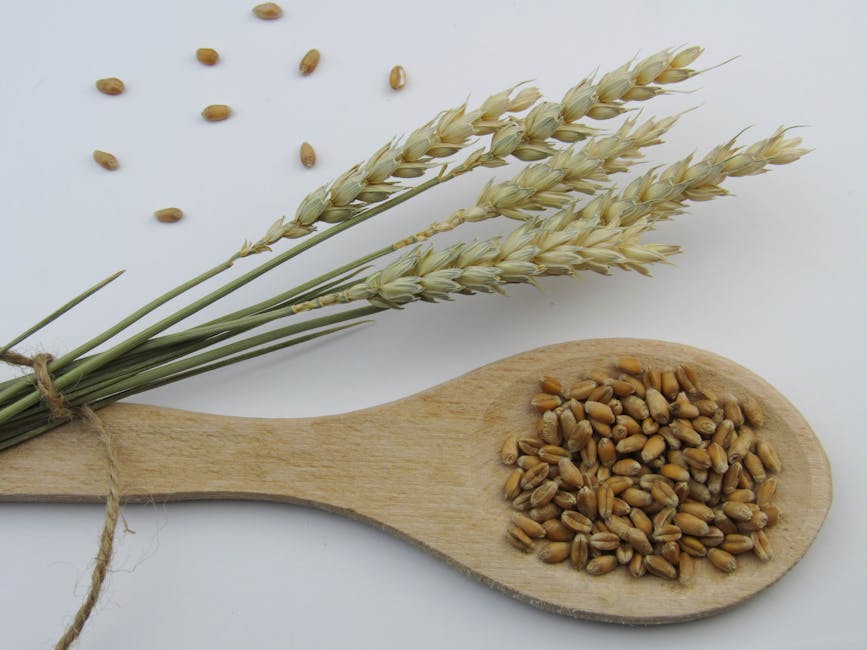
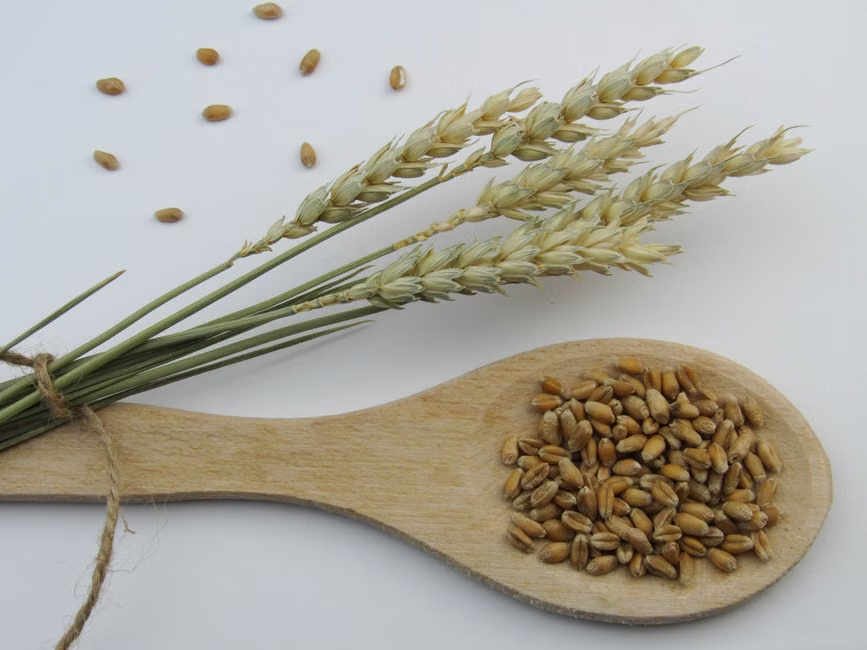
Whole grains are grains that contain all three parts of the kernel: the bran, germ, and endosperm. This complete structure is precisely what makes them fiber powerhouses. When grains are refined, the bran and germ are removed, taking with them most of the fiber, B vitamins, and iron.
Consider the difference between white bread and whole-wheat bread. White bread uses refined flour, stripped of its nutritious outer layers. Whole-wheat bread, however, retains these vital components, giving you more fiber and nutrients in every bite. This isn’t just theory; we demonstrate this concept vividly in our cooking sessions for senior nutrition programs, showing how easy it is to swap refined grains for whole ones.
Why Do Whole Grains Have More Fiber?
Whole grains naturally possess more fiber because they include the entire grain kernel – the bran, germ, and endosperm. The bran, the grain’s outer layer, is particularly rich in fiber and various nutrients. Refining processes remove this essential part, significantly reducing the fiber content.
When you choose a whole grain product, you’re getting the full nutritional package. The bran alone contributes a significant amount of insoluble fiber, while the germ, though smaller, offers a bit more. This full spectrum of nutrients and fiber works synergistically to benefit your health. For example, a slice of whole wheat bread might offer 2-3 grams of fiber, whereas a slice of white bread often provides less than 1 gram. This difference adds up quickly over a day.
Top High Fiber Foods Beyond Whole Grains
While whole grains are excellent, fiber-rich foods come in many forms. Diversify your diet to ensure you’re getting a wide array of nutrients and both types of fiber. Here are some fantastic options:
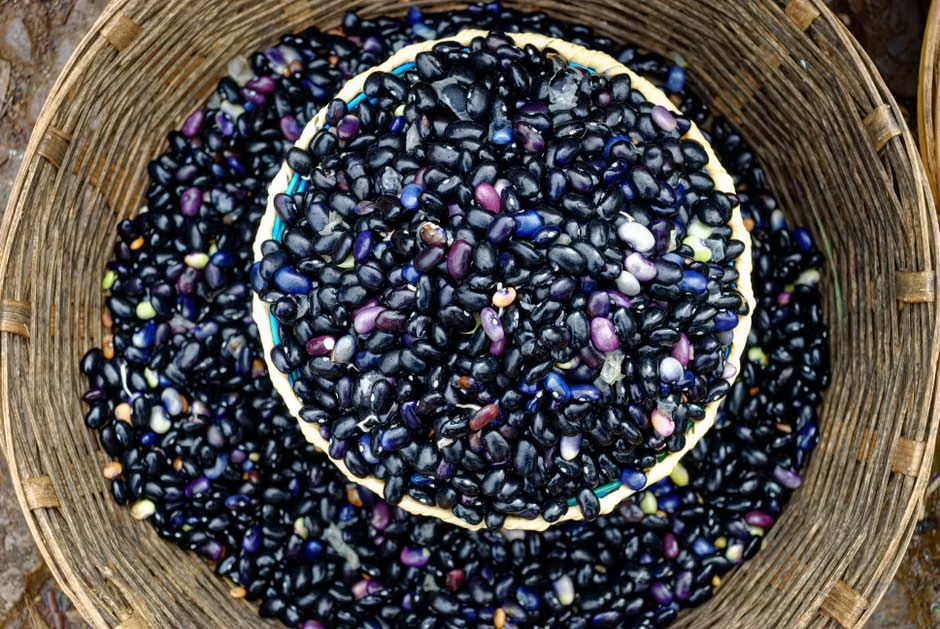
- Legumes: Black beans, kidney beans, lentils, chickpeas, and split peas are fiber powerhouses. Just one cup of cooked black beans can provide around 15 grams of fiber.
- Vegetables: Broccoli, Brussels sprouts, spinach, carrots, artichokes, and sweet potatoes. These are dense with nutrients and fiber.
- Fruits: Berries (raspberries, blackberries), apples (with skin), pears (with skin), bananas, and oranges.
- Nuts and Seeds: Almonds, chia seeds, flax seeds, sunflower seeds, and pistachios. Sprinkle them on salads or yogurt.
- Other Whole Grains: Oats, quinoa, brown rice, barley, and farro.
Does Fiber Help Lower A1C?
Yes, fiber can significantly help in managing and lowering A1C levels, especially for individuals with type 2 diabetes or those at risk. Soluble fiber, in particular, slows the absorption of sugar, preventing sharp blood sugar spikes after meals and contributing to more stable long-term blood glucose control.
When you consume foods rich in soluble fiber, like oats or beans, the fiber forms a gel in your digestive tract. This gel slows down the rate at which carbohydrates are digested and absorbed into your bloodstream. This means a more gradual rise in blood sugar, reducing the demand on your pancreas to produce insulin. Over time, consistent intake of dietary fiber can lead to improved insulin sensitivity and lower A1C readings, which reflect your average blood sugar levels over the past two to three months. Research supports this, indicating that a high-fiber diet is crucial for glycemic control in diabetes management, as noted by sources like the CDC.
“Individuals increasing their dietary fiber intake have shown improved glycemic control, which is essential for managing type 2 diabetes and reducing related complications.”
We see the practical impact of this in our youth development programs, where teaching kids about balanced meals that include high-fiber options helps them develop healthy habits early on. Better blood sugar regulation isn’t just for adults; it builds a foundation for lifelong health. These foundational skills are critical, and Santiago Ybarra often shares how even small adjustments, like swapping white rice for brown, can lead to measurable health improvements.
Practical Tips for Boosting Your Fiber Intake
Increasing your fiber doesn’t require a complete diet overhaul. Small, consistent changes can make a big difference. Here’s how you can easily incorporate more fiber into your daily routine:
- Start Your Day with Whole Grains: Choose oatmeal, whole-grain cereals, or whole-wheat toast. Add berries or nuts for an extra fiber boost.
- Sneak in Legumes: Add beans or lentils to soups, stews, salads, or even blend them into dips like hummus.
- Prioritize Whole Fruits and Vegetables: Eat fruits with the skin on whenever possible (like apples and pears) and choose whole fruits over juice. Fill half your plate with vegetables at meals.
- Make Smart Swaps: Replace white rice with brown rice, whole wheat pasta, or quinoa. Swap refined flour products for whole-wheat versions.
- Snack Smart: Opt for high-fiber snacks like a handful of almonds, an apple, or carrot sticks with hummus.
- Stay Hydrated: As you increase fiber, remember to drink plenty of water. Fiber absorbs water, and adequate hydration helps it move smoothly through your digestive system, preventing discomfort.

Building kitchen confidence and developing these practical meal skills is at the heart of what we do at Healthy Living, Inc. We believe that when you understand why these choices matter and how to make them easily, you save money, create lasting habits, and build genuine confidence in preparing healthy meals for yourself and your family. We help individuals gain the knowledge and confidence to make healthier food choices that would be lifelong.