
Navigating the world of nutrition can feel overwhelming, especially when you’re trying to ensure your family gets all the essential nutrients. One area that often sparks questions is protein: how much do we need, and where should it come from? The debate between plant and animal protein sources isn’t just about dietary preference; it’s about understanding how your body uses these vital building blocks for everything from muscle repair to enzyme function.
You might wonder if a quick protein shake like Fairlife is enough, or if traditional animal sources are always superior. The truth is, both plant and animal proteins offer unique benefits, and a balanced approach often yields the best results. Our goal at Health Living Inc. is to empower you with the knowledge and practical skills to make informed food choices that support lifelong healthy eating habits, helping you feel confident in the kitchen and at the dinner table. We design programs that build kitchen confidence, like our customized nutrition education workshops, proving healthy eating is achievable for everyone.
What is Protein Quality, and Why Does it Matter?
Protein quality refers to how well the protein from a food source provides the essential amino acids your body needs but cannot produce on its own. These nine essential amino acids are crucial for various bodily functions, including building and repairing tissues, making hormones, and supporting immune health. A “complete protein” contains all nine in sufficient amounts.
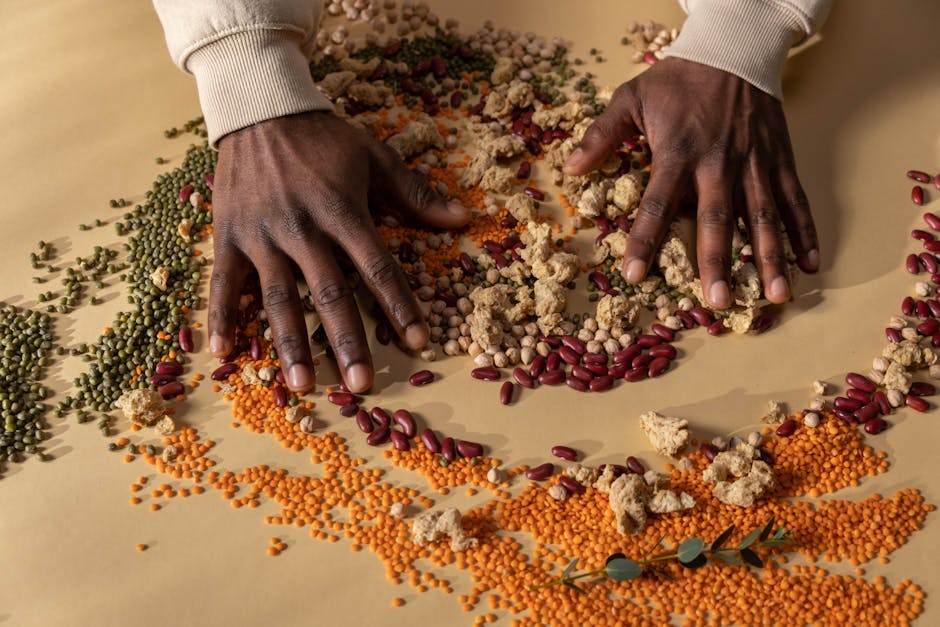
For decades, animal proteins were considered the gold standard because they naturally contain all essential amino acids. However, understanding plant-based options has evolved significantly. While many individual plant proteins might be “incomplete,” combining different plant sources throughout the day can easily provide a complete amino acid profile. Think about beans and rice, or hummus and whole-wheat pita; these pairings offer complementary amino acid profiles, making a complete protein meal. The body maintains an amino acid pool, so you don’t necessarily need to consume all essential amino acids in a single meal. Your body is smart; it can combine amino acids from different foods eaten over several hours to create the proteins it needs, according to research published by institutions like the Harvard T.H. Chan School of Public Health.
Animal Protein vs. Plant Protein Absorption: What’s the Difference?
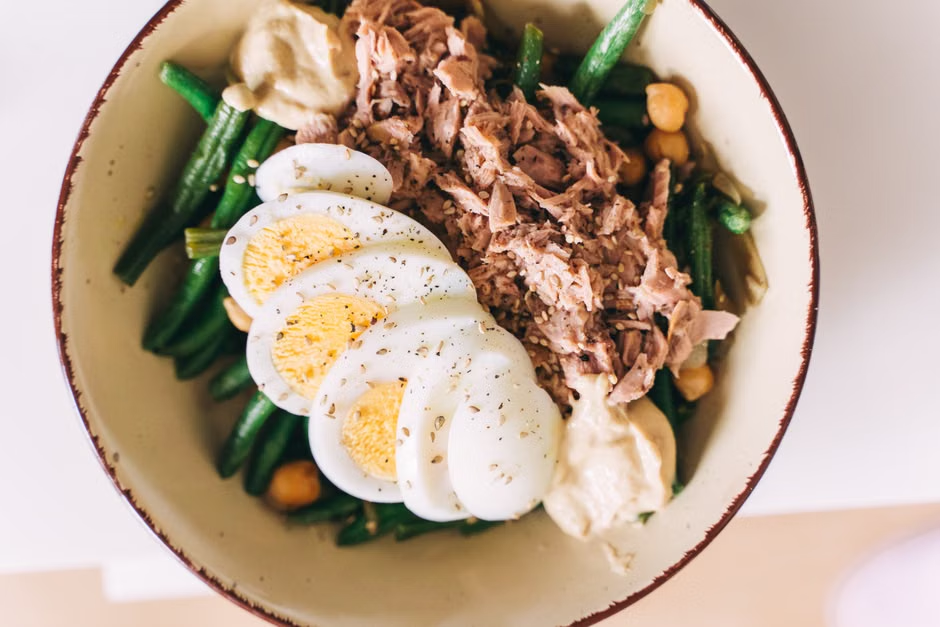
Generally, animal proteins are digested and absorbed more readily than plant proteins due to their composition and the presence of anti-nutrients in some plant foods. Animal proteins typically have higher bioavailability, meaning a greater percentage of their amino acids are absorbed and utilized by the body. This is partly because animal sources don’t contain compounds like phytates or tannins, which can sometimes interfere with nutrient absorption in plants.
However, this difference doesn’t mean plant proteins are ineffective. Many plant foods, like legumes and grains, still provide ample protein that your body can use efficiently. Cooking methods can also impact absorption; proper preparation can reduce anti-nutrient levels in plant foods, improving their digestibility. For instance, soaking and sprouting beans before cooking can significantly enhance nutrient availability. We teach these practical preparation techniques in our outreach programs, helping communities get the most from every meal.
“While animal proteins often boast a higher protein digestibility-corrected amino acid score (PDCAAS), indicating superior digestibility and amino acid profile, a well-planned plant-based diet can easily meet protein needs by combining diverse sources. The key isn’t just individual foods, but the dietary pattern as a whole.”
Plant Protein vs. Animal Protein for Building Muscle: Which is Better?
For building muscle, both plant and animal proteins can be effective, but animal proteins often have a slight edge due to their complete amino acid profile and higher leucine content, a key amino acid for muscle protein synthesis. However, plant-based athletes successfully build muscle by ensuring adequate overall protein intake and strategic food combining.
The difference isn’t as stark as you might think. While whey protein powder, a dairy-derived product, is popular for its fast absorption and high leucine content, many plant-based protein powders, such as pea protein or soy protein, are also highly effective. The total daily protein intake and consistent resistance training are far more critical for muscle growth than the exclusive source of protein. Santiago Ybarra often teaches that focusing on variety in your diet helps ensure you hit all your nutritional marks, whether your goal is muscle gain or general health. For our youth development programs, we emphasize how diverse foods contribute to strength and energy, not just one type of food.
What to Look For: Signs of Good Protein Intake
Adequate protein intake fuels your body in many ways, supporting growth, repair, and overall well-being. Knowing what to look for can help you assess if you’re getting enough quality protein. When we work with families, we highlight how balanced meals lead to tangible benefits you can feel:
- Sustained Energy Levels: Protein helps stabilize blood sugar, preventing energy crashes. You’ll feel more consistently energized throughout the day.
- Muscle Maintenance and Growth: If you’re physically active, proper protein intake is vital for repairing and building muscle tissue. You’ll notice better recovery after exercise.
- Stronger Hair, Skin, and Nails: These tissues are largely made of protein. Healthy protein intake contributes to their strength and appearance.
- Feeling Full and Satisfied: Protein is highly satiating, helping you feel fuller for longer and reducing cravings. This can be key for managing weight.
- Robust Immune Function: Antibodies, crucial for fighting infections, are proteins. Getting enough helps keep your immune system strong.
Considering Individual Needs: Nuances in Protein Choices
Not everyone’s protein needs are the same. Athletes, growing children, older adults, and individuals following specific dietary patterns like veganism all have unique considerations. For active individuals, a slightly higher protein intake is often recommended, regardless of source, to support recovery and muscle repair. A protein shake, whether it’s Fairlife or a plant-based protein powder, can be a convenient way to boost intake post-workout.
For those prioritizing plant-based diets, thoughtful planning ensures complete nutrition. Combining legumes with grains, nuts with seeds, and incorporating high-protein vegetables throughout the day makes it simple. Consider alternatives like fortified plant milks, tofu, tempeh, seitan, or lentils. While animal proteins offer advantages in terms of B12 and heme iron, many plant-based foods are excellent sources of fiber and antioxidants, which animal proteins lack. In our practice with seniors programs, we emphasize nutrient diversity, ensuring our participants gain both protein and essential micronutrients for vitality.
“While some older studies suggested plant proteins might be less efficient for muscle synthesis, newer research indicates that, with adequate overall intake and attention to variety, plant-based diets can support muscle maintenance and growth just as effectively as omnivorous diets, especially when leucine-rich plant sources are emphasized.”
What to Expect: Realistic Outcomes from Optimized Protein Intake
When you start paying closer attention to your protein intake and diversify your sources, you’ll likely notice several positive changes within a few weeks. You won’t see dramatic overnight transformations, but consistent effort yields real results. For instance, our participants often report feeling more satisfied after meals within just one week of integrating more balanced protein sources. Within a month, you may observe improved energy levels, less frequent snacking between meals, and better recovery if you’re exercising regularly.
Building muscle takes longer, often several months of consistent strength training alongside adequate protein. The goal isn’t just about immediate gains but about establishing sustainable habits. We help individuals gain knowledge and confidence to make healthier food choices that would be lifelong. This isn’t a quick fix; it’s about building a foundation for lasting health, helping you reduce cravings and maintain a healthy weight over time.
Practical Tips for Boosting Your Protein Intake
Making smart protein choices doesn’t have to be complicated or expensive. Here are some actionable strategies we teach in our hands-on cooking sessions to help you integrate more quality protein into your diet:
- Diversify Your Plate: Don’t rely on just one or two protein sources. Mix it up with eggs, lean meats, fish, beans, lentils, tofu, nuts, and seeds. This ensures a broad spectrum of amino acids and other nutrients.
- Prioritize Protein at Breakfast: Start your day strong. Scrambled eggs, Greek yogurt, or a smoothie with protein powder can set a positive tone for your metabolism and satiety.
- Snack Smart: Instead of empty calories, reach for protein-rich snacks. Think hard-boiled eggs, a handful of almonds, cottage cheese, or a serving of edamame. Even a small portion of healthy protein snacks makes a difference.
- Batch Cook Legumes: Cook a big batch of lentils or chickpeas once a week. They’re versatile and can be added to salads, soups, stews, or made into dips like hummus.
- Read Labels for Protein Content: When buying packaged foods, check the nutrition label for protein content. This is especially helpful for choosing healthy protein snacks or convenience items like a ready-to-drink protein shake.
- Pair Plant Proteins Thoughtfully: If you’re focusing on plant-based meals, remember to combine complementary proteins. Beans and rice, peanut butter on whole-wheat toast, or a lentil soup with whole-grain bread are simple, effective pairings.
Understanding protein quality and where your protein comes from is a powerful step towards building a truly nourishing diet. Whether you prefer animal sources, plant-based options, or a mix of both, the key lies in variety, balance, and thoughtful preparation. By focusing on whole foods and practical cooking skills, you can confidently fuel your body and your family for sustained energy, strength, and overall well-being. We invite you to explore our approach and discover how achievable building kitchen confidence and lasting healthy eating habits truly is.