
The thought of reducing sodium in your diet often brings up a common fear: bland, unappetizing meals. Many people believe cutting back on salt means sacrificing all flavor, making healthy eating seem like a joyless chore. But what if you could enjoy rich, satisfying dishes while significantly lowering your sodium intake? It’s not just possible; it’s a skill you can master.
The truth is, your palate can adapt, and there’s a whole world of natural flavors, herbs, and spices waiting to transform your cooking. We’re here to guide you through practical, hands-on methods that build kitchen confidence, ensuring your low-sodium meals are bursting with taste. Healthy Living Inc. partners with community organizations to bring these essential food literacy skills directly to you, making healthy eating accessible and enjoyable. Explore our Outreach Programs to see how we empower communities.
Understanding Sodium and Its Impact on Health
Sodium is an essential mineral our bodies need for fluid balance, nerve impulses, and muscle function. However, most of us consume far more than necessary, largely from processed and restaurant foods. This excess sodium can lead to serious health issues, including high blood pressure, which increases the risk of heart disease and stroke. Understanding where sodium hides is the first step toward reclaiming control over your diet.
The Centers for Disease Control and Prevention (CDC) highlights that more than 70% of the sodium we consume comes from packaged, processed, store-bought, and restaurant foods, not from the salt shaker at home. This means focusing on cooking from scratch with fresh ingredients offers the greatest opportunity to reduce sodium effectively. In our hands-on cooking programs, we guide participants to identify hidden sodium sources and develop strategies to avoid them.
“Reducing sodium intake is one of the most impactful dietary changes individuals can make to protect their cardiovascular health. Even small, consistent reductions can lead to significant long-term benefits.”
How to cook with less salt without sacrificing flavor?
Cooking with less salt without sacrificing flavor means relying on a diverse palette of aromatic vegetables, fresh herbs, bold spices, and acidic ingredients. These elements naturally enhance and layer flavors, making dishes vibrant and satisfying even with minimal added sodium. Focus on building complexity through various cooking techniques that draw out natural sweetness and umami.
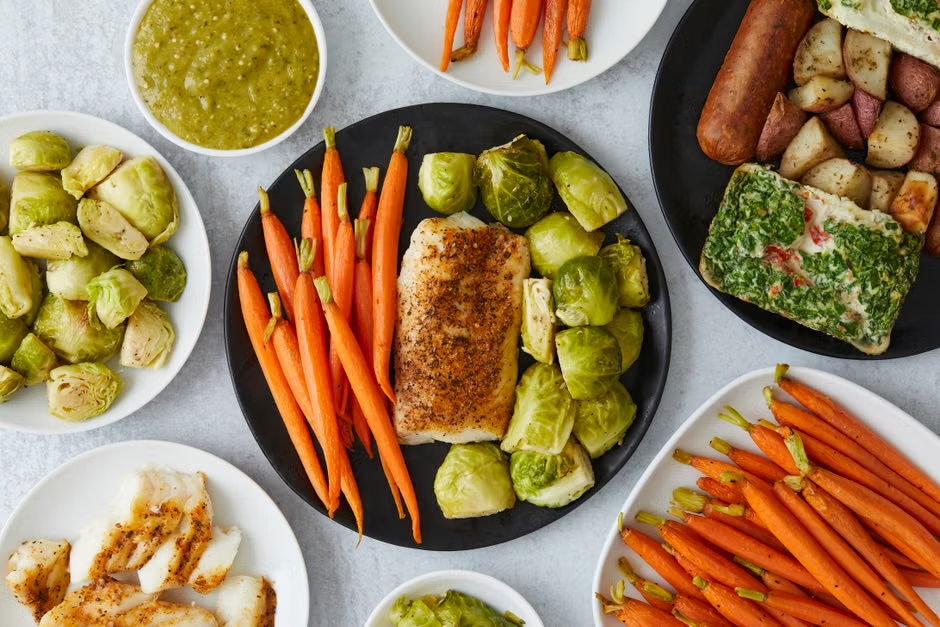
Our approach at Healthy Living Inc. is all about empowering individuals to gain knowledge and confidence to make healthier food choices that would be lifelong. This means teaching you how to use ingredients like garlic, onions, ginger, and chilies as flavor foundations. Think beyond salt. Consider roasting vegetables, a technique that caramelizes their natural sugars, unlocking incredible depth. You’ll find that within 25-35 minutes, a simple sheet pan of roasted broccoli or carrots tastes naturally sweet and savory, requiring little to no added salt. We help individuals learn practical skills like these in our group cooking classes, focusing on a cooking class philosophy that emphasizes achievable skills.
How can I make low-sodium meals flavorful?
To make low-sodium meals truly flavorful, leverage techniques that concentrate natural flavors and introduce bright, aromatic components. This includes browning and sautéing ingredients, incorporating fresh herbs and spices generously, and adding acidic elements like lemon juice or vinegar. Umami-rich foods such as mushrooms, nutritional yeast, and tomato paste can also provide a deep, savory foundation without relying on salt.
Santiago Ybarra, a nutrition educator and cooking skills instructor, often emphasizes that “the caramelizing is a natural way of unlocking sweetness; batch lunches become healthy meals rich in nutrients.” When you develop proficiency in techniques like roasting and sautéing, you’ll discover the inherent deliciousness in whole foods. Learning to build flavor from scratch means you’re creating meals that replace junk food with healthy meals, capable of reducing sodium by 70 per cent and increasing vegetables and vegetable consumption three times. We demonstrate these methods in our live, hands-on sessions, showing how simple ingredient swaps and cooking tricks make a big difference.
What to Look For: Signs of High Sodium Intake
While often unnoticed, high sodium consumption can manifest through various subtle and overt signs. Recognizing these can be an important prompt to evaluate your dietary habits. Here are a few things to watch for:
- Persistent Bloating: Feeling puffy or swollen, particularly in the abdomen, can be a common sign of excess fluid retention caused by high sodium.
- Swelling (Edema): Noticeable swelling in your hands, feet, or ankles, especially at the end of the day.
- Increased Thirst: High sodium levels can make you feel unusually thirsty, prompting you to drink more water.
- Headaches: Some individuals experience headaches due to dehydration or changes in blood pressure linked to high sodium.
- Elevated Blood Pressure: Chronic high sodium intake is a major contributor to hypertension, often without immediate symptoms. Regular checks are vital.
- Frequent Urination: Your kidneys work harder to excrete excess sodium, which can lead to more frequent trips to the restroom.
If you experience any of these regularly, consider reducing your sodium intake and consult a healthcare professional. Building lifelong healthy eating habits can help mitigate these risks. We know that creating habits takes time, but small, consistent changes yield significant benefits.
Considering Alternatives and Special Dietary Needs
While most people benefit from reducing sodium, certain conditions require careful consideration. For instance, individuals with chronic kidney disease (CKD) have very specific dietary restrictions regarding sodium, potassium, and phosphorus. In these cases, it’s crucial to work closely with a doctor or registered dietitian. They can provide personalized guidance, as certain salt substitutes, which often use potassium chloride, might not be suitable for kidney patients.
For the general population, exploring a variety of herbs, spices, and acids provides a safer, more sustainable path to flavor without the need for processed salt substitutes. Our programs focus on empowering families and communities to make informed food choices that are both delicious and health-promoting for a wide range of needs. We never advocate for extreme dietary changes without proper medical consultation.
“The palate’s perception of saltiness is highly adaptable. With conscious effort to reduce sodium over a few weeks, many people find their taste buds ‘reset,’ allowing them to appreciate the natural flavors of food more fully.”
What to Expect: Adjusting to Lower Sodium Meals
When you start actively reducing sodium, your first few meals might taste a little different. Your taste buds, accustomed to higher salt levels, will need time to adjust. Expect a transition period, typically a few weeks, during which your palate will gradually reset. What initially seems bland will soon allow the subtle, natural flavors of your ingredients to shine through.
The good news is that this adaptation is a powerful process. As your taste buds become more sensitive to natural flavors, you’ll start to find highly salted foods overwhelmingly strong. You’ll appreciate the sweetness of roasted carrots, the pungency of fresh garlic, and the brightness of lemon in a way you never did before. This isn’t about deprivation; it’s about expanding your flavor horizons and genuinely enjoying healthier food.
Practical Tips for Cooking Low-Sodium Meals
Making the switch to lower sodium cooking is an achievable goal, especially when you have practical strategies in your kitchen. Here are five effective tips you can start implementing today:
- Read Food Labels Carefully: Become a label detective. Look for “low sodium,” “reduced sodium,” or “no salt added” on canned goods, broths, and condiments. Pay attention to the serving size and sodium percentage per serving.
- Cook More from Scratch: This is the single most impactful change. When you cook at home, you control every ingredient. Homemade meals give you the power to significantly reduce hidden sodium.
- Embrace Herbs, Spices, and Aromatics: Stock your pantry with a wide array of dried herbs and spices. Don’t forget fresh garlic, onions, ginger, and chilies. These are your flavor allies. Learn to layer them throughout the cooking process.
- Incorporate Acids: A squeeze of fresh lemon or lime juice, a splash of vinegar (apple cider, red wine, balsamic), or a dash of citrus zest can brighten a dish and mimic the effect of salt, making flavors pop.
- Rinse Canned Foods: If you must use canned vegetables or beans, drain and rinse them thoroughly under cold water. This can reduce sodium content by up to 40 percent.
- Make Your Own Stocks and Sauces: Store-bought broths and sauces are notorious for high sodium. Learning to make your own low-sodium vegetable or chicken stock is a foundational skill that pays dividends in flavor and health.
For those looking for easy low-sodium meals for seniors, these tips are particularly beneficial. Simple sheet pan dinners with roasted vegetables and lean protein, or hearty, homemade soups, are excellent choices that prioritize fresh ingredients and big flavors. Building these practical cooking skills is exactly what Healthy Living Inc. helps communities achieve through our customized programs for organizations.
Taking control of your sodium intake doesn’t mean giving up on delicious food. It means discovering new ways to build flavor, making informed choices, and empowering yourself with essential cooking skills. We believe that everyone deserves the confidence to prepare healthy, flavorful meals. Partner with Healthy Living Inc. to bring these transformative food literacy programs to your community. We offer customized programs designed to meet the unique needs of any group, from youth summer camps to adult skill-building workshops, helping individuals build lifelong healthy eating habits.