

Navigating the complex world of nutrition can feel overwhelming, especially when you’re focused on building a heart-healthy lifestyle. Many people struggle with understanding how daily food choices impact their cardiovascular health, often feeling confused by conflicting advice or restrictive diets. The good news is, making a significant positive impact on your heart doesn’t require drastic, unachievable changes; it starts with understanding a few key players in your diet: sodium and potassium.
You’re not alone if you’ve wondered how to balance these minerals effectively to support your heart. Our bodies need both, but in the right amounts, and the typical modern diet often gets this balance wrong, leaning heavily on sodium. We believe in empowering you with the knowledge and hands-on skills to make informed choices.
At Healthy Living Inc., we specialize in developing customized programs that teach practical nutrition education and essential cooking skills. We simplify complex topics like managing sodium and potassium, showing you how to build truly heart-healthy meals right in your own kitchen.
What Are Sodium and Potassium, and Why Do They Matter for Your Heart?
Sodium and potassium are electrolytes, minerals that carry an electric charge when dissolved in body fluids. They play crucial roles in maintaining fluid balance, nerve signals, and muscle contractions, including those of your heart. An imbalance, particularly too much sodium and not enough potassium, can significantly strain your cardiovascular system.
Sodium, often consumed as sodium chloride (table salt), is vital for normal body functions. However, excessive intake is directly linked to high blood pressure, a major risk factor for heart disease and stroke. The Centers for Disease Control and Prevention (CDC) notes that most sodium in the American diet comes from processed and restaurant foods, not the salt shaker at home, making it tricky to manage without specific knowledge. You need to read food labels carefully.
Potassium, on the other hand, helps relax blood vessel walls, which can lower blood pressure. It also helps counteract the effects of sodium. Think of potassium as sodium’s balancing partner. According to the Mayo Clinic, increasing your potassium intake while reducing sodium can significantly benefit blood pressure and overall heart health.
What Is a Simple Heart-Healthy Meal Plan?
A simple heart-healthy meal plan focuses on whole, unprocessed foods rich in fruits, vegetables, lean proteins, and whole grains, while limiting added sugars, unhealthy fats, and excessive sodium. It’s about balance and mindful choices, not deprivation. You can build flavorful meals without relying on high-sodium ingredients.
Building heart-healthy meals doesn’t have to be complicated. It often involves a return to basics: cooking from scratch and emphasizing fresh ingredients. We teach foundational skills that help families make homemade meals that replace junk food with healthy meals rich in nutrients, reducing sodium by 70 percent and increasing vegetable consumption three times. Santiago Ybarra, our nutrition educator, frequently demonstrates how simple swaps can make a huge difference in sodium levels without sacrificing flavor during our hands-on sessions.
“Focus on the ‘food first’ approach. Prioritize whole foods like vegetables, fruits, and lean proteins, and build your meals around them. This naturally lowers sodium and increases beneficial nutrients.”
What Foods Are on a Cardiac Diet Plan Food List?
A cardiac diet plan emphasizes foods that support heart health and can often help manage conditions like congestive heart failure. Key components include fruits, vegetables, whole grains, lean proteins, and healthy fats, while limiting processed foods, high-sodium items, saturated fats, and trans fats. Think vibrant, fresh, and minimally processed.
When crafting a heart-healthy meal plan, you’ll want to focus on categories known to support cardiovascular health:
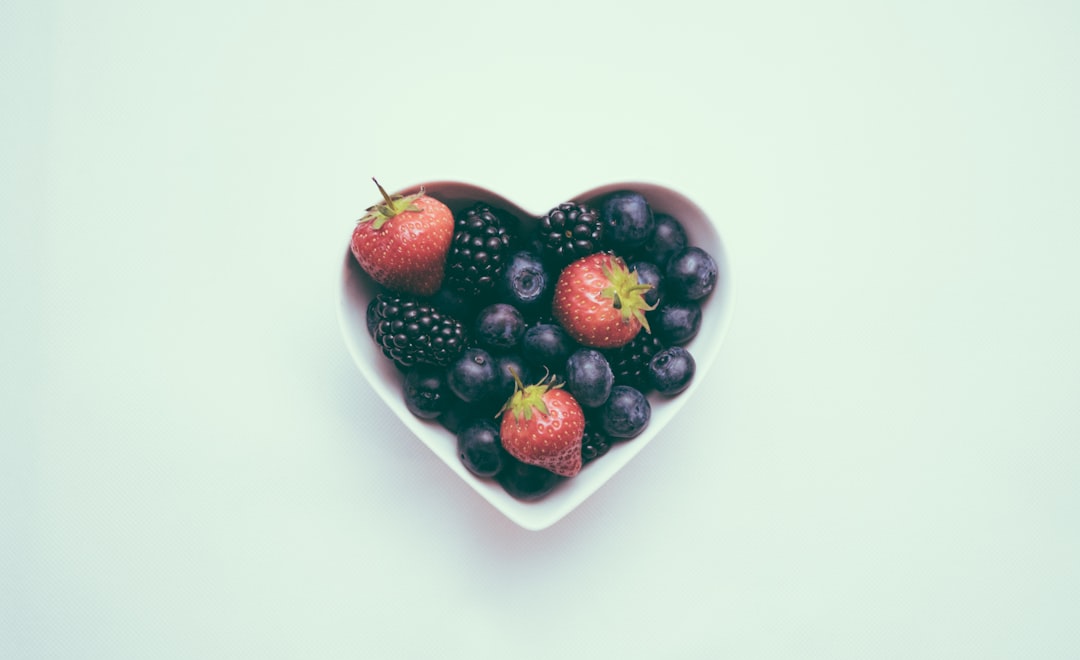
- Fruits and Vegetables: Aim for a wide variety. These are naturally rich in potassium, fiber, and antioxidants, and almost universally low in sodium. Think berries, leafy greens, broccoli, sweet potatoes, and bananas.
- Whole Grains: Oats, brown rice, quinoa, whole wheat bread, and whole grain pasta provide fiber that helps lower cholesterol and keep you feeling full.
- Lean Proteins: Skinless poultry, fish (especially fatty fish like salmon and mackerel, rich in omega-3s), beans, lentils, and nuts are excellent choices. Limit red meat and choose lean cuts.
- Healthy Fats: Avocados, olive oil, nuts, and seeds offer beneficial monounsaturated and polyunsaturated fats.
- Low-Fat Dairy: Skim milk, low-fat yogurt, and cottage cheese can be good sources of calcium and protein.
Conversely, the foods to limit include:
- Processed meats (bacon, sausage, deli meats)
- Canned soups and vegetables (unless labeled “low sodium”)
- Fast food and highly processed snacks
- Baked goods and sweets high in added sugars and unhealthy fats
- Salty condiments and sauces (soy sauce, ketchup, salad dressings)
Our work with community partners, like those participating in our Seniors Programs, often involves cooking demonstrations where we show how to prepare delicious versions of these heart-healthy staples.
How Does Reducing Sodium and Increasing Potassium Work in the Body?
When you reduce sodium intake, your kidneys work to excrete excess sodium more efficiently, which helps decrease fluid retention and blood volume. This, in turn, reduces the pressure on your blood vessel walls, leading to lower blood pressure. Simultaneously, increasing potassium intake helps balance sodium’s effects and encourages the relaxation of blood vessels, further promoting healthy blood pressure levels. This dual approach is often more effective than focusing on just one mineral.
This synergistic effect is why leading health organizations, like the American Heart Association, strongly advocate for both sodium reduction and adequate potassium intake. The AHA recommends limiting sodium to no more than 2,300 milligrams per day for most adults, ideally moving towards an even lower goal of 1,500 mg/day for optimal heart health, especially for those with high blood pressure. In our hands-on cooking classes, we teach participants how to season food with herbs, spices, and acid (like lemon juice) to enhance flavor without relying on salt.
“Most of us get too much sodium and not enough potassium. Reversing this imbalance through diet can significantly reduce your risk of high blood pressure and heart disease.”
What to Look For: Signs You Might Need to Adjust Sodium and Potassium Intake
While only a doctor can diagnose health conditions, certain signs might indicate an imbalance or that your current diet isn’t supporting optimal heart health. Pay attention to:
- Persistent high blood pressure readings.
- Swelling in your hands, feet, or ankles (edema).
- Unexplained fatigue or muscle weakness.
- Frequent headaches, especially if paired with other symptoms.
- Shortness of breath, particularly during light activity.
- An overall diet heavy in processed foods, fast food, and salty snacks.
If you experience any of these, consult your healthcare provider. Your dietary changes should always be made in consultation with a medical professional, especially if you have existing health conditions like congestive heart failure. Our programs complement medical advice by providing the practical skills to implement dietary recommendations.

Considering Alternatives and Exceptions in Your Diet
While reducing sodium and boosting potassium is beneficial for most, it’s not a one-size-fits-all solution. For instance, individuals with kidney disease may need to restrict potassium intake because their kidneys struggle to process it. Always discuss significant dietary changes with your doctor or a registered dietitian. We understand that every community has unique needs and dietary restrictions, which is why we offer flexible outreach programs that adapt to specific requirements, ensuring everyone gets relevant and safe nutrition education.
Sometimes, medication might affect electrolyte balance, requiring a different approach. For healthy individuals looking to improve heart health, the focus remains on whole foods. If cooking from scratch feels daunting, remember that even small steps make a difference. Look for low-sodium versions of canned goods, frozen vegetables without added sauces, and use herbs and spices liberally. We work with various groups, including youth in Boys and Girls Club programs, teaching them how to read labels and make smarter choices at the grocery store.
What Realistic Results Can You Expect?
When you consistently adopt a heart-healthy meal plan focused on sodium-potassium balance, you can expect measurable improvements over time. Within a few weeks, many individuals notice a reduction in bloating and fluid retention. Within 1-3 months, you may see a measurable decrease in blood pressure, potentially reducing your reliance on medication (under medical supervision, of course). Long-term, you’re building habits that significantly lower your risk of heart disease, stroke, and other cardiovascular events.
It’s not about overnight transformation. It’s about building confidence and practical skills in the kitchen, day by day. We’ve seen participants in our programs achieve significant health improvements and report feeling more energized, sleeping better, and having greater overall well-being. These are tangible, achievable results.
Practical Tips for Managing Sodium and Potassium in Your Meals
Ready to put these principles into action? Here are some practical steps you can take:
- Cook More at Home: This is the most effective way to control sodium. When you prepare meals from scratch, you decide what goes into your food.
- Embrace Herbs and Spices: Flavor your food with garlic, onion powder (not salt), paprika, cumin, oregano, basil, and black pepper instead of salt. Lemon juice and vinegar also add brightness.
- Read Food Labels Diligently: Look for “low sodium,” “reduced sodium,” or “no salt added” on canned goods, broths, and packaged foods. Compare brands and choose the lowest sodium option.
- Prioritize Potassium-Rich Foods: Incorporate more bananas, oranges, potatoes, sweet potatoes, spinach, broccoli, beans, and low-fat dairy into your daily diet.
- Rinse Canned Foods: If you must use canned beans or vegetables, rinse them thoroughly under running water to remove up to 40% of the sodium.
- Limit Processed Foods: This includes frozen meals, deli meats, fast food, and many packaged snacks, which are often hidden sources of excessive sodium.
Managing sodium and potassium is a powerful step towards a healthier heart and a more energetic life. By focusing on whole foods, cooking more at home, and learning smart seasoning techniques, you gain control over your nutrition. We empower individuals to gain the knowledge and confidence to make healthier food choices that would be lifelong. Start today, and build your kitchen into a foundation for lasting well-being.