

Shifting to plant-based eating can feel overwhelming, especially when you’re wondering how to get all the nutrients your body needs. You might be concerned about protein, iron, or vitamin B12, or just unsure where to start with new ingredients. Many people want to embrace healthier eating but stumble when it comes to practical meal planning and ensuring a balanced diet.
The good news is that adopting a plant-based diet doesn’t have to be complicated. With the right knowledge and a few practical skills, you can build delicious, nutrient-rich meals that fuel your body and delight your taste buds. We focus on hands-on learning and achievable skills, making healthy eating accessible for everyone.
At Healthy Living Inc., we believe in empowering individuals and communities with the food literacy to make informed choices. Our customized programs teach you how to master essential cooking techniques and understand nutrition science, giving you the confidence to thrive on a plant-based journey. We help you learn to confidently navigate your kitchen, turning wholesome ingredients into satisfying meals.
What is a Plant-Based Diet?
A plant-based diet emphasizes foods derived from plants, with minimal or no animal products. This typically includes fruits, vegetables, grains, legumes, nuts, and seeds. It’s a broad term that encompasses various eating patterns, from vegan (no animal products at all) to flexitarian (mostly plant-based with occasional meat, dairy, or eggs).
The core of plant-based eating is focusing on whole, unprocessed foods. This means plenty of fresh produce, whole grains like quinoa and brown rice, and proteins from beans, lentils, and tofu. While sometimes used interchangeably, a “plant-based diet” is distinct from a “vegan diet” because it doesn’t necessarily exclude animal products entirely, but rather *prioritizes* plants. According to the Mayo Clinic, a plant-based diet is less restrictive than a strict vegan approach, allowing for flexibility while still reaping significant health benefits.
Why Choose Plant-Based Eating?
Many individuals turn to plant-based eating for various reasons: improved health, ethical considerations, or environmental impact. From a health perspective, these diets are often rich in fiber, vitamins, and minerals, and lower in saturated fat and cholesterol. Our programs emphasize practical nutrition education, showing how simple ingredient swaps can lead to significant health improvements, like reducing sodium intake by up to 70 percent in homemade meals.
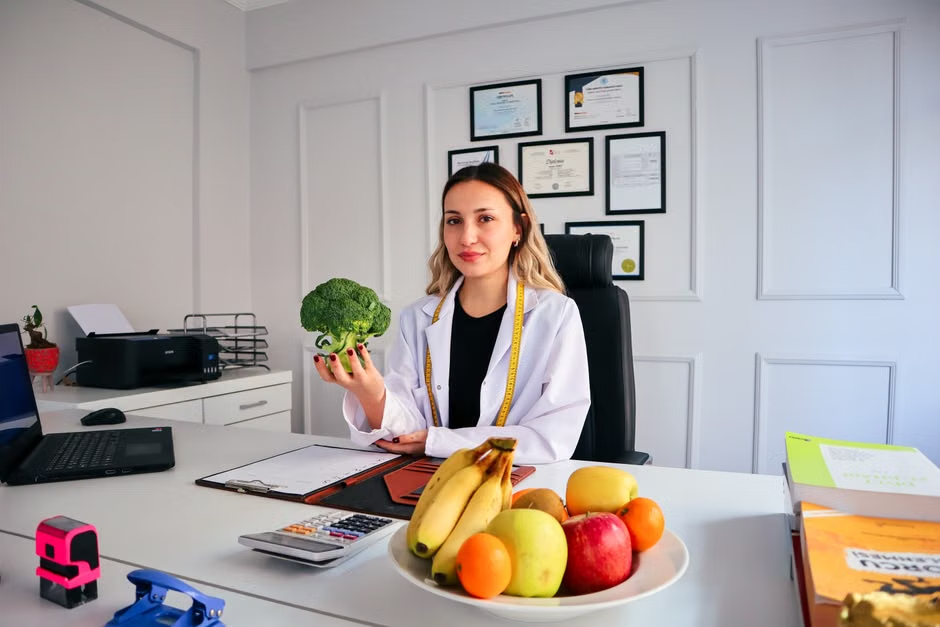
Plant-Based Diet for Beginners: Where Do I Start?
Beginning a plant-based diet involves small, manageable steps rather than a drastic overhaul. Start by incorporating more plant foods into your existing meals and gradually reducing animal products. Focus on learning foundational cooking skills, like roasting vegetables or preparing legumes, to build confidence and make your meals delicious.
Don’t feel pressured to become 100% vegan overnight. Think about adding a “Meatless Monday” or swapping out one animal-based meal for a plant-based option each day. This gradual approach allows you to experiment with new foods and cooking methods without feeling deprived. Santiago Ybarra, our nutrition educator, frequently advises participants in our hands-on sessions to “begin with the little; make your kitchen a health castle.” We teach you simple swaps, like using lentils in tacos or chickpeas in curries, which are both flavorful and packed with nutrients. This way, you build habits that last.
Consider the essential building blocks:
- **Focus on whole foods:** Fruits, vegetables, whole grains, beans, nuts, and seeds.
- **Experiment with protein sources:** Lentils, chickpeas, tofu, tempeh, edamame, and various nuts.
- **Learn basic cooking techniques:** Roasting, sautéing, and steaming make vegetables taste incredible.
- **Plan your meals:** Having a general idea of what you’ll eat helps you stay on track and ensures variety.
“Eating a plant-based diet doesn’t have to be restrictive or boring. It’s about opening up to a wider variety of foods, colors, and flavors, and rediscovering the joy of cooking with wholesome ingredients.”
What Are Essential Plant-Based Foods to Include?
To ensure you get all necessary nutrients on a plant-based diet, focus on a diverse range of whole foods. Prioritize legumes, dark leafy greens, fortified plant milks, nuts, seeds, and whole grains. These categories provide essential proteins, iron, calcium, vitamin B12, and omega-3 fatty acids that are sometimes trickier to obtain from plants alone.
When you’re building your plant-based plate, think about variety and color. Each color of fruit and vegetable often indicates different phytonutrients. Our cooking classes emphasize creating balanced meals that are both visually appealing and nutritionally robust. Here’s a breakdown of key categories:
- **Legumes:** Lentils, chickpeas, black beans, kidney beans, peas. These are excellent sources of protein, fiber, iron, and folate.
- **Whole Grains:** Quinoa, brown rice, oats, whole wheat pasta, barley. They provide complex carbohydrates for energy, fiber, and B vitamins.
- **Nuts and Seeds:** Almonds, walnuts, chia seeds, flax seeds, hemp seeds. Rich in healthy fats, protein, fiber, and minerals like zinc and magnesium. Walnuts and flax/chia seeds are good sources of ALA, an omega-3 fatty acid.
- **Fruits:** Berries, apples, bananas, oranges. Packed with vitamins, antioxidants, and fiber.
- **Vegetables:**
- **Dark Leafy Greens:** Spinach, kale, collard greens (calcium, iron, vitamins K and C).
- **Cruciferous Vegetables:** Broccoli, cauliflower, Brussels sprouts (vitamins C and K, fiber).
- **Root Vegetables:** Carrots, sweet potatoes, beets (vitamins A and C, fiber).
- **Healthy Fats:** Avocados, olive oil.
- **Fortified Foods:** Plant milks (soy, almond, oat) and some cereals often contain added vitamin B12, calcium, and vitamin D, which can be harder to get on a purely plant-based diet.
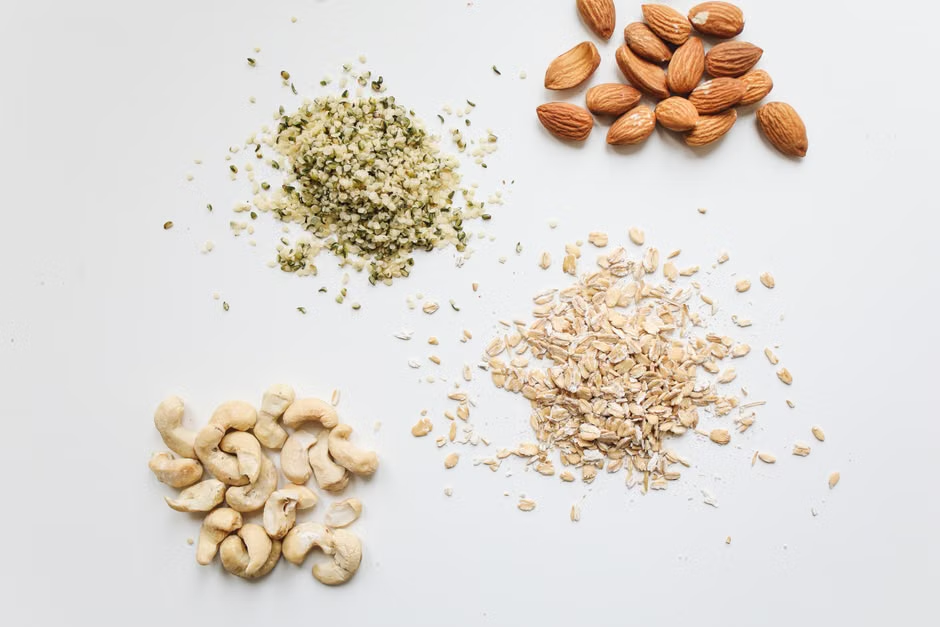
For individuals looking for quick and convenient ways to boost their nutrient intake, especially protein, plant based protein powder can be a useful supplement. Many plant based protein shakes are made from pea, rice, or hemp protein, and some are fortified with vitamins and minerals, helping to fill potential gaps. However, always remember that whole foods should be the foundation of your diet.
What Plant-Based Foods Should I Be Mindful Of?
While plant-based eating is generally healthy, it’s important to be mindful of highly processed plant-based foods that often contain added sugars, unhealthy fats, and excessive sodium. Focus on whole, unprocessed ingredients. Don’t assume something is healthy just because it’s labeled “vegan” or “plant-based”; check the nutrition labels carefully.
Just like any diet, a plant-based diet can include unhealthy options. Highly processed vegan burgers, refined grains, sugary snacks, and deep-fried plant-based items can detract from the health benefits. We teach grocery shopping tips and food label literacy in our outreach programs, helping you identify true whole foods versus cleverly marketed processed goods.
Here’s what to limit or avoid:
- **Excessively Processed Plant-Based Meats:** While convenient, many contain high levels of sodium, refined oils, and artificial ingredients. Opt for whole food protein sources like lentils or tofu instead.
- **Sugary Plant-Based Desserts and Snacks:** Many vegan cookies, ice creams, and candies are still loaded with added sugars.
- **Refined Grains:** White bread, white pasta, and sugary cereals offer little nutritional value compared to their whole-grain counterparts.
- **Deep-Fried Foods:** Even plant-based items lose much of their nutritional benefit when deep-fried in unhealthy oils.
- **Plant-Based Junk Food:** Chips, sodas, and other highly processed items should be consumed sparingly, just as they would be on any diet.
How Can I Ensure I Get All Essential Nutrients?
To ensure you’re getting all essential nutrients on a plant-based diet, prioritize variety, incorporate fortified foods, and consider strategic supplementation if necessary. Pay close attention to protein, iron, calcium, vitamin B12, vitamin D, iodine, and omega-3 fatty acids. A balanced approach focuses on nutrient-dense plant sources and careful meal planning.
Our hands-on cooking programs delve into the science of nutrient absorption and retention. We demonstrate techniques that maximize the nutritional value of your meals, such as pairing iron-rich foods with vitamin C sources to enhance absorption. For instance, a hearty lentil stew (iron) with a squeeze of lemon juice (vitamin C) makes a powerful combination.
Let’s break down key nutrients and how to get them:
- **Protein:** Easily obtained from legumes (beans, lentils, peas), tofu, tempeh, edamame, nuts, seeds, and whole grains. Combining different plant proteins throughout the day generally provides all essential amino acids.
- **Iron:** Found in lentils, spinach, kale, fortified cereals, tofu, cashews, and dark chocolate. Pairing these with vitamin C-rich foods (citrus fruits, bell peppers, broccoli) significantly boosts absorption.
- **Calcium:** Abundant in fortified plant milks (soy, almond, oat), dark leafy greens (kale, collard greens), tofu (calcium-set), sesame seeds, and almonds.
- **Vitamin B12:** This is the one nutrient that typically requires supplementation or consistent intake of fortified foods, as it’s not reliably found in plant sources. Fortified nutritional yeast, plant milks, and cereals are good options. Many board-certified providers recommend a B12 supplement for those on a strict plant-based diet.
- **Vitamin D:** Best obtained from sunlight exposure, fortified plant milks, or supplements. Some mushrooms exposed to UV light also provide vitamin D.
- **Omega-3 Fatty Acids:** Chia seeds, flax seeds, hemp seeds, and walnuts are excellent sources of ALA. The body converts ALA to EPA and DHA, but conversion rates vary. Some may benefit from an algae-based omega-3 supplement.
- **Iodine:** Found in iodized salt and sea vegetables (use sparingly).
- **Zinc:** Present in legumes, nuts, seeds, whole grains, and tofu. Soaking and sprouting legumes and grains can improve zinc absorption.
“With careful planning and a diverse intake of plant foods, it is entirely possible to meet all nutritional needs on a plant-based diet, even for athletes or during pregnancy. Focus on variety and smart food pairings.”
Practical Tips for Sustainable Plant-Based Eating
Making plant-based eating a lasting habit involves more than just knowing what to eat; it’s about building kitchen confidence and efficient routines. Here are some practical steps to help you thrive:
- **Batch Cook Staples:** Dedicate an hour or two each week to cook large batches of grains (quinoa, brown rice) and legumes (lentils, chickpeas). This saves time during busy weekdays.
- **Master Flavor Foundations:** Learn to make simple dressings, sauces, and spice blends. This will transform basic ingredients into exciting meals. The caramelizing is a natural way of unlocking sweetness; batch lunches.
- **Embrace One-Pan Meals:** Roasting vegetables and protein sources like tofu or tempeh together on a single sheet pan minimizes cleanup and maximizes flavor.
- **Plan Your Snacks:** Keep healthy plant-based snacks on hand, such as fruit, nuts, seeds, or veggie sticks with hummus, to prevent reaching for less nutritious options.
- **Read Labels Carefully:** Become a pro at identifying hidden sugars, unhealthy fats, and excessive sodium in packaged goods. Look for whole, recognizable ingredients.
- **Experiment with New Recipes:** Don’t be afraid to try new cuisines or ingredients. Cooking can be a creative journey.
Our programs are designed to teach these very skills. We help you gain knowledge and confidence to make healthier food choices that would be lifelong. Whether you’re interested in youth development programs or hands-on cooking for families, we offer practical, actionable instruction that emphasizes achievable skills and measurable results.
Embracing plant-based eating is a journey of discovery and empowerment. By focusing on whole, nutrient-dense foods, understanding key nutrient sources, and building practical kitchen skills, you can enjoy vibrant health and delicious meals. We’re here to partner with you and your community, empowering you to build lasting healthy eating habits, one delicious plant-based meal at a time. Visit Healthy Living Inc. to learn more about how our programs can support your food literacy goals.