
Do your kids shy away from vegetables? Does mealtime feel like a battle, or do you find yourself doing all the kitchen work while they play? Many parents feel this frustration, wanting their children to develop healthy eating habits and independence but unsure how to get them involved in the kitchen safely and effectively. It’s not just about what they eat, but the skills they build.
Teaching children to cook is one of the most powerful ways to empower them for a lifetime of healthy choices. It moves beyond just nutrition facts; it builds confidence, practical skills, and a positive relationship with food. It’s about creating an environment where learning to cook becomes a natural, enjoyable part of family life.
At Healthy Living Inc., we believe in starting early to foster these essential skills. Our programs focus on hands-on learning, making cooking accessible and fun for all ages. We understand that building lasting food choices in your family often starts with practical kitchen involvement, as we explain in our guide on how to build lasting food choices in your family through positive routines.
What are the five basic cooking skills?
The five basic cooking skills form the foundation for almost any dish a child might want to prepare, moving beyond simply assembling ingredients. These core competencies include knife safety and basic cuts, understanding heat and how it changes food, measuring accurately, following recipes, and proper food hygiene. Mastering these helps children navigate the kitchen with competence and safety.
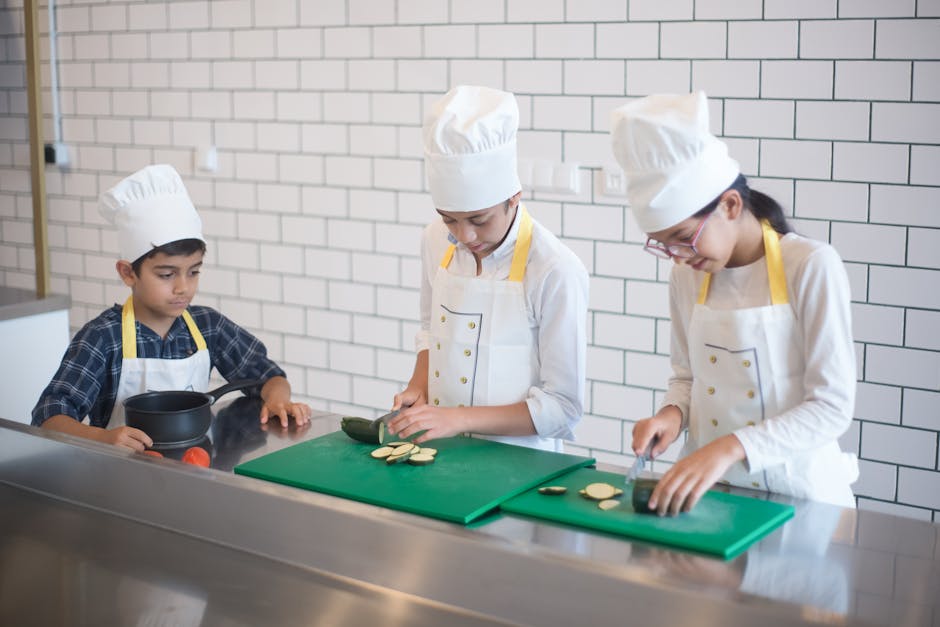
Before any child steps into the kitchen, we emphasize the five fundamental skills that make cooking safe and enjoyable. These aren’t just techniques; they’re habits. First, knife skills and safety are paramount. We teach the ‘claw’ grip to protect fingers and how to use a duller knife effectively. Second, understanding heat sources, like a stove burner or oven, and how they cook food differently. Third, accurate measuring – learning that a cup is a cup, and a teaspoon is a teaspoon – is crucial for consistent results. Fourth, learning to read and follow a recipe step-by-step builds independence and problem-solving skills. Finally, food hygiene, including hand washing and preventing cross-contamination, is non-negotiable for health and safety.
These foundational skills are what we focus on in our beginner programs. Santiago Ybarra, our nutrition educator, frequently highlights the importance of these basics: “We start with foundational skills because they build confidence and remove fear. A child who feels capable with a knife or understands heat will be much more likely to keep cooking throughout their life. It’s about empowering them, not just feeding them.” We see children quickly gain proficiency, becoming eager participants in meal preparation when given clear, actionable instruction.
“Involving children in food preparation from an early age can help them develop healthy eating habits and reduce picky eating. It also boosts their self-esteem and fosters a sense of accomplishment.”
How do you teach cooking skills to children?
Teaching cooking skills to children involves a step-by-step approach, starting with simple tasks and gradually increasing complexity as their abilities grow. Focus on creating a positive, encouraging environment, allowing for mistakes, and emphasizing process over perfection. Break down recipes into manageable steps, provide hands-on demonstrations, and always prioritize safety.
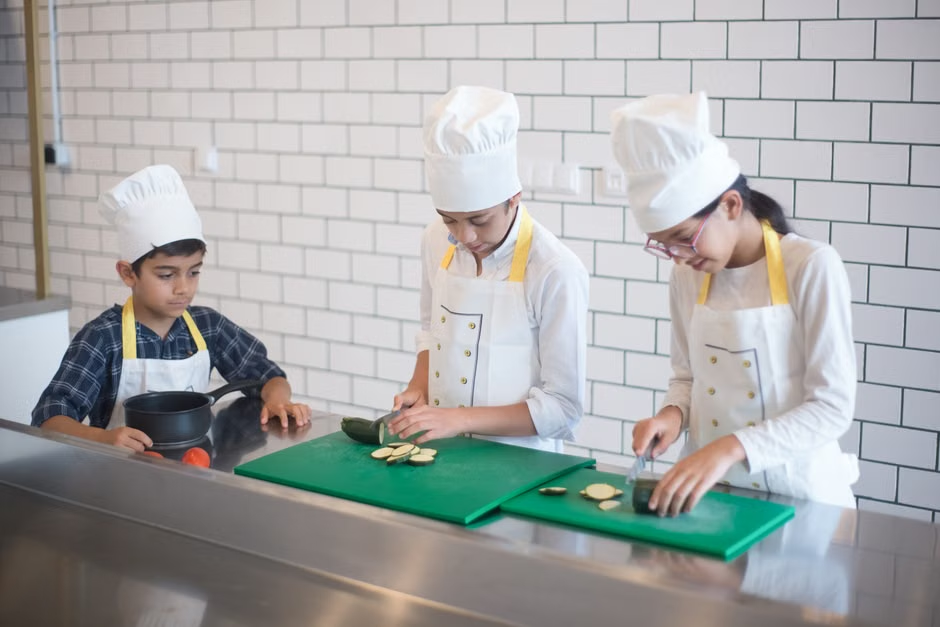
We’ve found the most effective way to teach children is through hands-on practice in a supportive setting. Begin with very simple tasks, like washing vegetables or stirring ingredients, and gradually introduce more complex actions. Patience is key. We demonstrate each step clearly, then let the children try it themselves, offering gentle guidance rather than taking over. Mistakes are learning opportunities, not failures. For instance, if a measurement is slightly off, we discuss why accuracy matters and practice again.
Our experience shows that customizing our approach to different age groups and skill levels dramatically increases engagement. As we detail in our post, teaching cooking skills to youth requires adapting techniques for different ages to keep them challenged but not overwhelmed. It’s about building on success, one skill at a time.
Age-appropriate kitchen tasks
Assigning age-appropriate kitchen tasks is crucial for both safety and successful learning. Very young children (2-5) can wash produce and stir. Elementary-aged kids (6-9) can measure, pour, and use blunter tools. Pre-teens (10-12) can begin handling sharp knives with supervision, operate simple appliances, and manage basic stove-top cooking. Teenagers can follow complex recipes and cook meals independently.
Here’s a breakdown of tasks children can typically manage, building from simple to more complex:
For Young Children (Ages 2-5)
- Washing fruits and vegetables in a colander.
- Stirring ingredients in a bowl.
- Adding pre-measured ingredients to a mixture.
- Mashing soft foods like bananas or avocados.
- Tearing lettuce or other greens for salads.
For Elementary School Children (Ages 6-9)
- Measuring and pouring ingredients accurately.
- Using a butter knife to spread soft foods or cut soft fruits.
- Cracking eggs into a bowl.
- Kneading dough or shaping cookies.
- Peeling vegetables with a swivel peeler (with supervision).
- Operating a hand mixer or blender (with supervision).
What should a 10-year-old be able to cook?
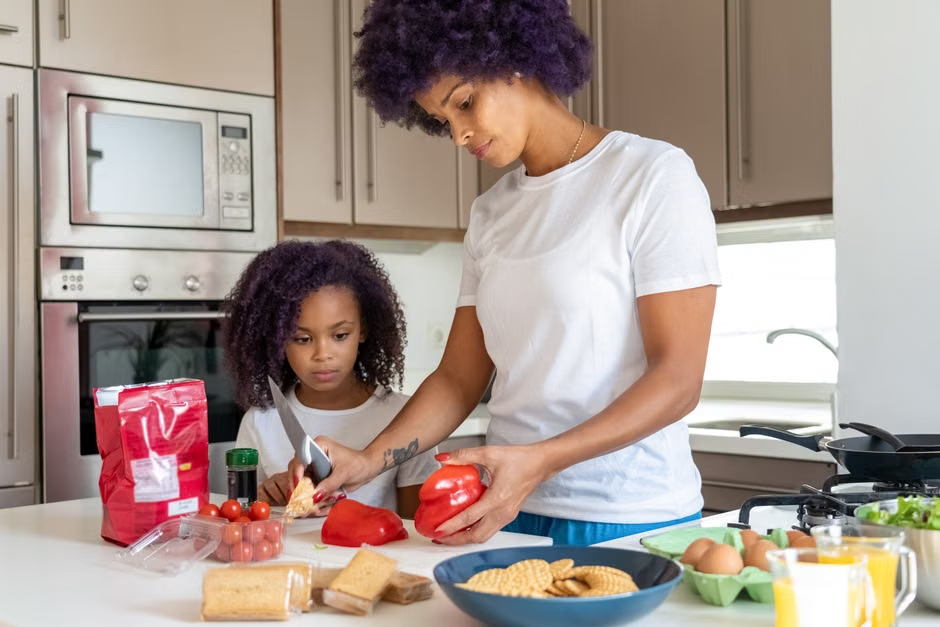
By age 10, children typically possess the fine motor skills and attention span to manage more complex cooking tasks with supervision. They can often follow multi-step recipes, safely use a chef’s knife for basic chopping, operate a stove or microwave, and contribute significantly to meal preparation. The focus shifts to building independence and confidence in creating simple, balanced meals.
At 10 years old, a child is ready for more significant involvement in the kitchen. They can usually manage tasks that combine several basic skills. We often see children this age confidently:
- Slicing and dicing vegetables like carrots, onions, or bell peppers using a chef’s knife, with adult guidance on proper grip and technique.
- Preparing simple one-pan meals, like roasted chicken and vegetables, or pasta dishes from scratch.
- Making a basic breakfast, such as scrambled eggs, oatmeal, or pancakes, often operating the stove with supervision.
- Baking simple desserts like cookies or muffins, accurately measuring and mixing ingredients.
- Creating salad dressings or marinades from a recipe.
- Using a food processor or standing mixer for various tasks.
This age is also ideal for understanding the “why” behind cooking, such as how different nutrients benefit the body, or how certain cooking methods affect flavor and texture. It’s a prime time to integrate nutrition education directly into the cooking experience, reinforcing concepts like those discussed in our post on simple cooking skills that build lifelong healthy habits.
When to consider alternatives or professional guidance
While home cooking is valuable, not every family has the time, space, or comfort level to teach extensive cooking skills. Sometimes, children might benefit from a more structured environment. Community cooking classes, summer camps, or specialized programs like those we offer at Healthy Living Inc. can provide expert instruction in a fun, safe setting. These programs can introduce new techniques, build confidence, and even foster social skills as children cook together. We’ve partnered with WIC programs and youth development initiatives to bring hands-on cooking to diverse communities, recognizing that external programs can sometimes fill a crucial gap.
“Participating in structured cooking programs can significantly enhance children’s dietary intake, leading to increased consumption of fruits and vegetables, and a greater willingness to try new foods.”
— National Institutes of Health (NIH) research on cooking interventions
Realistic Expectations: What to Expect from Children Learning to Cook
Teaching children to cook is a journey, not a race. Don’t expect them to become gourmet chefs overnight. Realistic timelines involve incremental progress: a 5-year-old might master washing veggies in a few weeks, while a 10-year-old might take a couple of months to confidently chop an onion. Focus on small victories. The goal is to build kitchen confidence and create positive associations with food preparation, not perfect meals. Over time, you’ll see them grow from hesitant helpers to capable, independent cooks. Our approach emphasizes these achievable skills and measurable results over unrealistic hype, ensuring a positive experience.
Practical Tips for Teaching Children to Cook
Making the kitchen a learning lab doesn’t have to be stressful. Here are some practical tips to make the process enjoyable and effective:
- **Start Simple**: Choose recipes with minimal ingredients and straightforward steps. Something like fruit salad, scrambled eggs, or a simple sandwich can be a great starting point.
- **Prioritize Safety**: Always discuss kitchen rules—like washing hands, handling knives, and being careful around heat—before you begin. Use appropriate tools, like child-safe knives, when necessary.
- **Give Them Real Tasks**: Even if it takes longer, let them do the actual work. Guide their hands, but don’t take over. This builds real skill and confidence.
- **Embrace the Mess**: Cooking with kids is often messy. Anticipate it, and have cleaning supplies ready. A little flour on the counter is a small price for a child’s engagement.
- **Make It Fun**: Turn on some music, tell stories, or make it a game. A positive atmosphere encourages participation and makes learning memorable.
- **Cook Together Regularly**: Consistency is key. Even 25-35 minutes once or twice a week can build strong habits. This reinforces skills and solidifies their connection to healthy food.
- **Celebrate Their Efforts**: Praise their participation and effort, regardless of the outcome. Acknowledge their hard work, even if the food isn’t perfect.
Remember, the aim is to empower children with practical skills that lead to healthier choices and greater independence. We’ve seen firsthand how these experiences can build kitchen confidence, transforming individuals from intimidated to capable in just a few focused sessions.
Empowering children in the kitchen creates more than just healthy eaters; it builds problem-solvers, confident decision-makers, and individuals who understand the value of wholesome food. By providing age-appropriate tasks and fostering a supportive environment, you’re investing in their health and well-being for years to come. Whether through family cooking sessions or partnering with organizations like Healthy Living Inc. for customized programs, let’s equip the next generation with the essential life skill of cooking.