
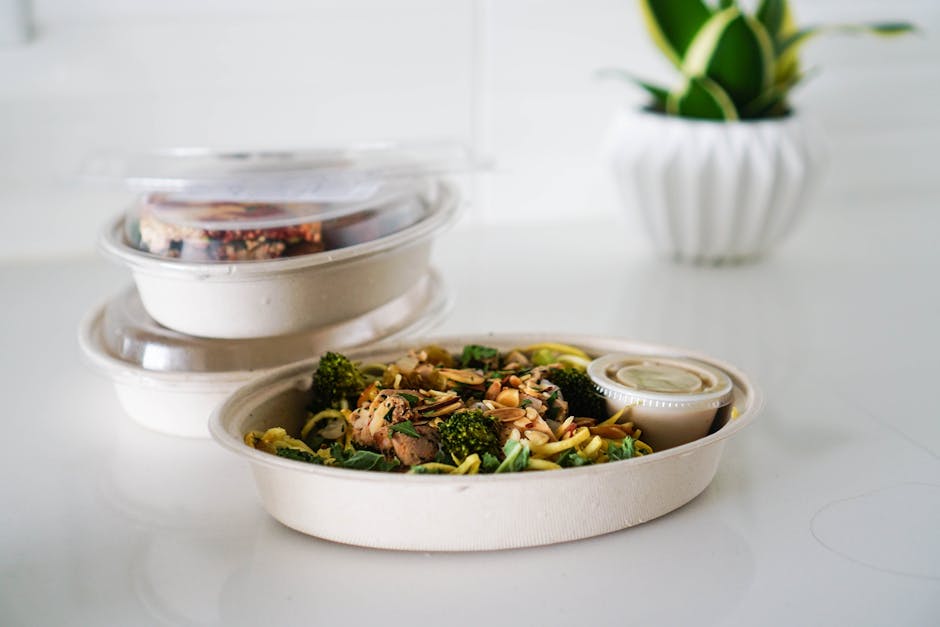
Do you ever stare into an empty fridge on a Tuesday night, dreading another takeout order or a rushed, unhealthy meal? We get it. Life moves fast, and finding time to cook healthy, balanced meals every single day can feel like an impossible task. The struggle to eat well amid busy schedules is a common pain point for families, youth programs, and community organizations alike. It often leads to relying on convenience foods that can be high in sodium and lack essential nutrients.
Imagine reclaiming your weeknights, knowing that nutritious, homemade meals are ready to go. That’s the power of batch cooking. It’s a simple, strategic approach to food preparation that transforms how you eat and manage your time. By dedicating a few hours to cooking larger quantities of food, you set yourself up for success throughout the week.
At Practical Nutrition Education, we empower individuals and organizations with the hands-on cooking skills and practical nutrition knowledge to make these healthy habits a reality. We believe everyone can build kitchen confidence, and batch cooking is one of the most effective ways to start. If you’re ready to take control of your plate and simplify your week, learning how to plan effectively is key, as we explain in our guide to Meal Planning for Beginners: Plan a Week of Healthy Meals in 30 Minutes.
What is Batch Cooking and Why Does It Matter?
Batch cooking means preparing large quantities of food, or components of food, in one session to use for multiple meals over several days. It’s not just about cooking once; it’s about cooking smarter. This strategy helps reduce daily cooking stress, ensures consistent access to healthy options, and often leads to significant savings on your grocery bill.
This approach helps replace reliance on processed foods with homemade meals rich in nutrients, reducing sodium by up to 70 percent and increasing vegetable consumption three times, as we often see in our customized programs. The Centers for Disease Control and Prevention (CDC) highlights that a diet rich in fruits and vegetables can reduce the risk of many chronic diseases, underscoring the importance of making healthy eating accessible daily. Ensuring you have these options readily available is crucial for long-term health.
“Preparing food at home gives you more control over the ingredients, allowing you to limit unhealthy fats, sodium, and added sugars often found in restaurant or pre-packaged meals.”
How Does Batch Cooking Work?
Batch cooking involves a few key steps: planning, shopping, cooking, and storing. First, plan your meals and snacks for the week, identifying ingredients that can be prepped in bulk. Next, shop for everything you need. Then, dedicate 2-4 hours to cooking and preparing components like roasted vegetables, cooked grains, or protein sources. Finally, divide and store these items in airtight containers for easy assembly throughout the week.
Think about how different components can serve multiple dishes. For example, a big batch of roasted chicken can become part of a salad, a sandwich, or a simple stir-fry. Cooked quinoa can be the base for breakfast bowls, side dishes, or hearty main meals. This strategic thinking maximizes your effort. In our hands-on cooking sessions, we teach participants how to break down complex recipes into manageable steps, showing how sharp knife skills can make quick work of chopping vegetables for several meals at once, or how to master protein preparations that yield versatile ingredients.
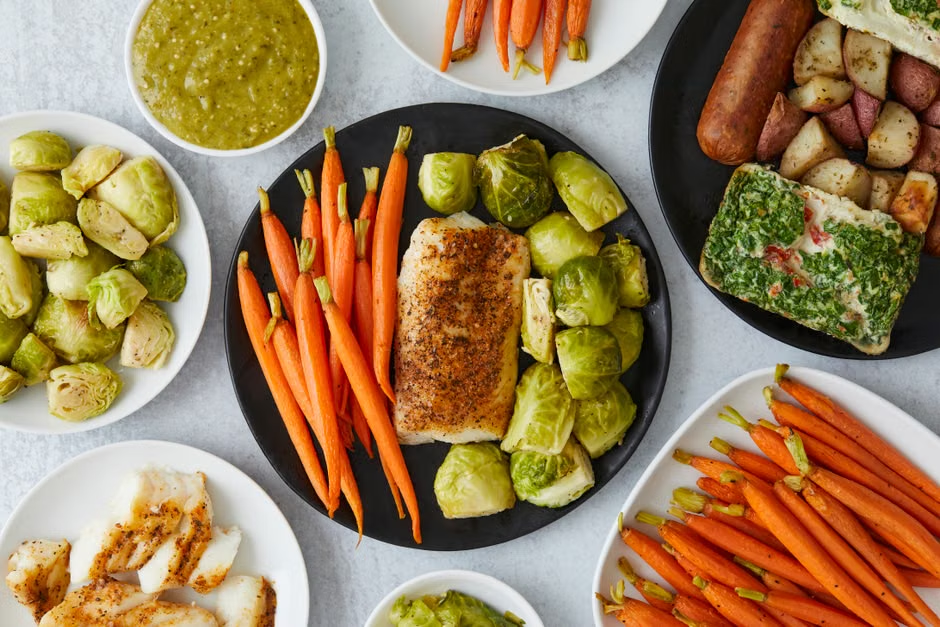
Simple Batch Cooking on Weekends: Prepare a Week of Healthy Meals
To successfully batch cook on weekends, start with a simple menu of versatile dishes, dedicating 2-3 hours on Sunday. Focus on cooking staples like grains, roasted vegetables, and a couple of lean proteins. Portion everything into individual containers immediately after cooking and cooling. This approach builds confidence and provides healthy, ready-to-eat options all week long.
We’ve seen that the biggest hurdle for many is getting started. Don’t try to prep every single meal for the entire week on your first try. Begin with just breakfasts and lunches, or focus on dinner components. Choose recipes with overlapping ingredients to simplify your grocery list. A good example might be cooking a large batch of brown rice, roasting a big tray of seasonal vegetables, and baking chicken breasts or preparing a lentil stew. These elements can combine in countless ways, reducing decision fatigue during busy weekdays.
Healthy Meal Prep Ideas for the Week
When planning healthy meal prep, prioritize balanced plates that include lean protein, complex carbohydrates, and plenty of vegetables. Think about versatile ingredients like grilled chicken, hard-boiled eggs, quinoa, roasted sweet potatoes, and mixed greens. Focus on nutrient density and avoid excessive added sugars or unhealthy fats to maintain energy levels and support overall well-being throughout your busy week.
In our practice, we’ve found that focusing on “factor meals” – components that can be easily combined – is incredibly effective. This isn’t about eating the same exact meal every day, but rather having healthy building blocks. For instance, you could have:
- Proteins: Shredded chicken, baked salmon, hard-boiled eggs, cooked lentils or black beans.
- Carbohydrates: Quinoa, brown rice, whole wheat pasta, roasted potatoes or sweet potatoes.
- Vegetables: Roasted broccoli, bell peppers and onions, steamed green beans, pre-chopped salad greens.
- Healthy Fats: Avocados (slice fresh), nuts, seeds, olive oil for dressings.
These components offer variety. One day, combine quinoa, roasted veggies, and chicken for a bowl. The next, use the chicken and greens for a salad. This keeps things interesting and helps avoid meal fatigue.
Healthy Meal Prep Ideas for Weight Loss on a Budget
To manage weight while meal prepping on a budget, prioritize whole, unprocessed foods like legumes, eggs, frozen vegetables, and inexpensive cuts of lean meat. Plan meals around seasonal produce and bulk purchases of grains. Focus on high-fiber, high-protein recipes that promote satiety, like lentil soups, chicken and vegetable stir-fries, or bean burritos, to maximize nutrition for less cost.
Cost-saving strategies are crucial for sustainable healthy eating. We consistently emphasize smart shopping and food literacy in our programs. This means knowing how to stretch your food dollar without sacrificing nutrition. Consider buying larger bags of dry beans, lentils, and oats. Frozen vegetables are just as nutritious as fresh, often more affordable, and reduce waste. When it comes to proteins, eggs are incredibly versatile and cheap. Cuts of chicken like thighs or drumsticks are usually less expensive than breasts. Santiago Ybarra, our nutrition educator, frequently demonstrates how simple, budget-friendly ingredients can create flavorful, nourishing meals.
Understanding food labels can also guide budget-conscious decisions, helping you pick nutrient-dense options without overspending. For more detailed strategies, review our insights on Food Shopping on a Budget: Strategies for Maximum Nutrition and Minimum Cost, which offers practical tips for maximizing nutrition while minimizing cost.
What Batch Cooking Treats and What to Look For
Batch cooking isn’t a treatment in itself, but it’s a powerful tool to address common issues related to diet and lifestyle. It helps individuals and families overcome challenges like:
- Lack of time for daily cooking: Eliminates the rush and stress of preparing meals every night.
- Reliance on takeout or processed foods: Provides healthy, homemade alternatives, reducing sodium, unhealthy fats, and added sugars.
- Food waste: Encourages planned purchasing and uses ingredients efficiently, especially when you know Reading Nutrition Labels Like a Nutrition Educator can help guide your choices.
- Budget strains: Typically cheaper than buying individual meals or convenience items.
- Inconsistent nutrient intake: Ensures balanced meals with varied vegetables, proteins, and whole grains are readily available.
- Stress around meal times: Reduces decision fatigue and offers peace of mind with ready-to-eat options.
When you’re looking to implement batch cooking, look for these benefits: more free time during the week, a noticeable decrease in unplanned food purchases, and an overall improvement in the quality and variety of foods you consume. These are the measurable results our community partners see when they engage with our hands-on cooking programs.
“Meal prepping can lead to healthier eating habits by making nutritious options more accessible and reducing the temptation of less healthy convenience foods.”
Who is Batch Cooking Suitable For? (And Who It Might Not Be For)
Batch cooking suits almost anyone with a busy schedule who wants to eat healthier and save money. It’s ideal for working professionals, families, students, and anyone looking to gain confidence in the kitchen. If you enjoy planning, value efficiency, and appreciate knowing what you’re eating, this strategy is for you.
However, it might not be the best fit if you crave extreme spontaneity in your meals every single day, prefer cooking fresh from scratch for each meal, or have very specific dietary needs that change daily. For those who find the idea of eating similar components for a few days unappealing, alternatives like “mini-batching” (prepping for 2-3 days instead of 5-7) or simply prepping ingredients (chopping vegetables, pre-mixing marinades) without fully cooking meals might be a better approach. Some individuals also benefit from services that deliver pre-portioned, raw ingredients with recipes, though these often come at a higher cost than cooking from scratch.
What to Expect: Realistic Timelines and Results
Expect to dedicate 2-4 hours to your batch cooking session each week, typically on a weekend day. This time includes planning, shopping, and actual cooking. In return, you’ll gain 5-10 hours back during your busy weekdays, freeing up evenings from constant cooking demands. Within just 2-3 weeks, you’ll likely notice reduced food waste, significant savings on groceries and takeout, and a greater sense of control over your healthy eating habits.
The results aren’t just about saving time and money. Our participants often report increased energy levels, better digestion, and an overall improvement in their relationship with food. Consistency is key. You’ll build confidence over time, gradually increasing the complexity or variety of your meals as your skills develop. It’s a journey, not a sprint, and we’re here to help you every step of the way.
Practical Tips for Successful Batch Cooking
Mastering batch cooking means adopting a few practical strategies. These tips, refined through our experience in teaching hands-on cooking skills to diverse groups, will help you optimize your weekly prep sessions:
- Start Simple: Don’t try to cook every meal for the week. Begin with one or two main dishes and a versatile grain or roasted vegetable. Build from there.
- Invest in Good Storage: Airtight containers, preferably glass, are essential for keeping food fresh and making reheating easy. Portioning meals into individual containers immediately helps with grab-and-go convenience.
- Multitask Wisely: While one dish bakes, chop vegetables for another. Keep your stovetop and oven working simultaneously. This maximizes your cooking time.
- Embrace Versatile Ingredients: Choose foods that can be used in multiple recipes. Cooked chicken can be a salad topping, a sandwich filling, or a stir-fry component.
- Flavor Flexibility: Cook base ingredients plainly, then add different spices, herbs, or sauces when assembling meals to prevent flavor fatigue.
- Clean as You Go: Wash utensils and bowls while food cooks to minimize cleanup at the end of your session. A tidy kitchen makes the process much more enjoyable.
Batch cooking isn’t just a trend; it’s a fundamental life skill that empowers you to prioritize your health and well-being. By taking control of your food preparation, you’re not just making meals; you’re building lasting habits, saving money, and creating more space in your week for what matters most. We believe in helping individuals and community organizations develop these essential skills through practical, hands-on learning. If your organization is ready to empower its members with food literacy and kitchen confidence, consider how our Customized Programs can be tailored to meet your unique needs and goals.